

Introduction the essential first aid tips
Accidents and emergencies can happen anytime and anywhere. Knowing basic first aid can make a critical difference before professional medical help arrives. First aid is not just for healthcare professionals,it is a life-saving
Contents: What is / Managements
The Importance of Essential First Aid
Knowing essential first aid can be the difference between life and death in an emergency. Whether it is a minor cut or a life-threatening situation, having basic medical knowledge allows you to provide immediate care until professional help arrives.
What is First Aid?
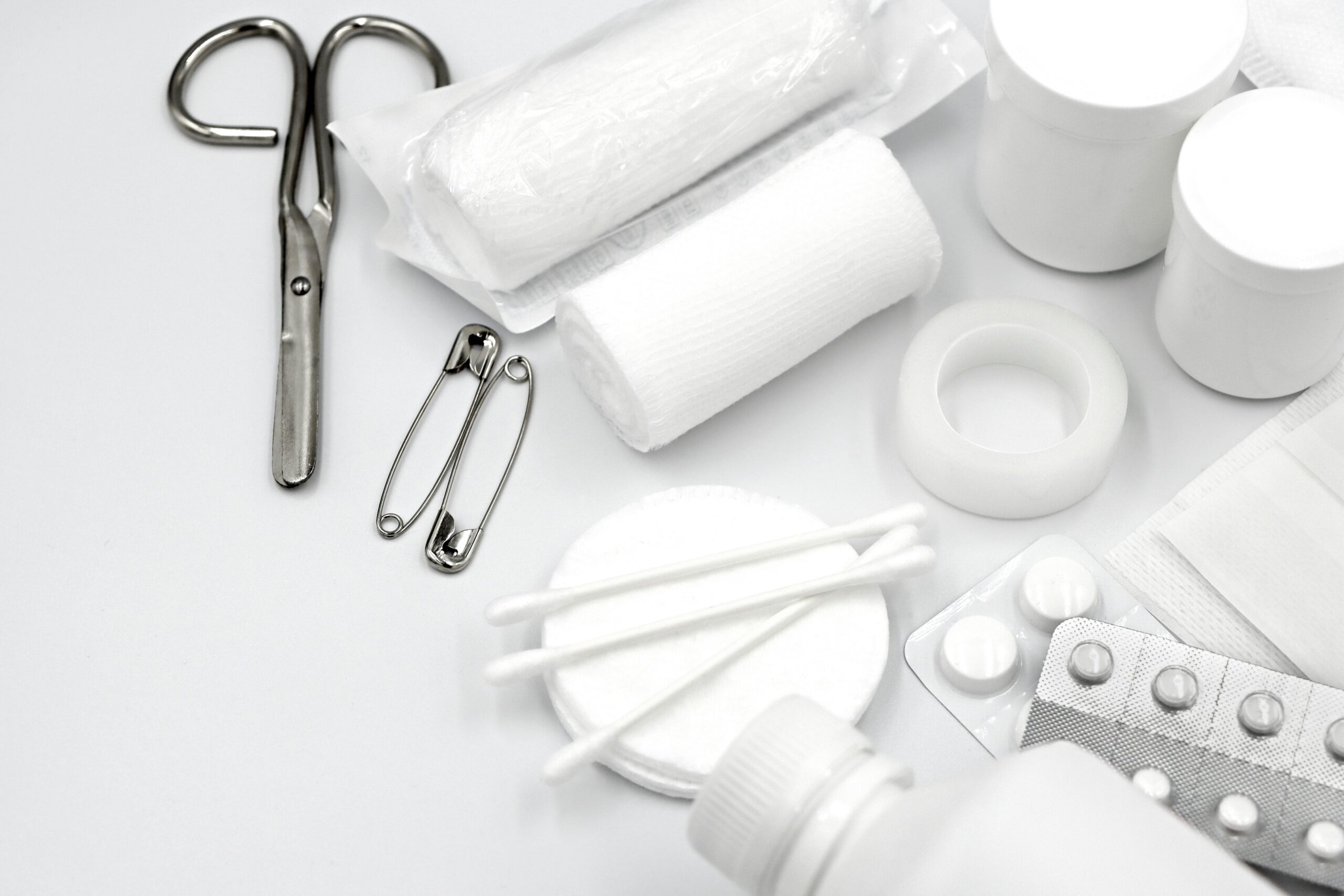
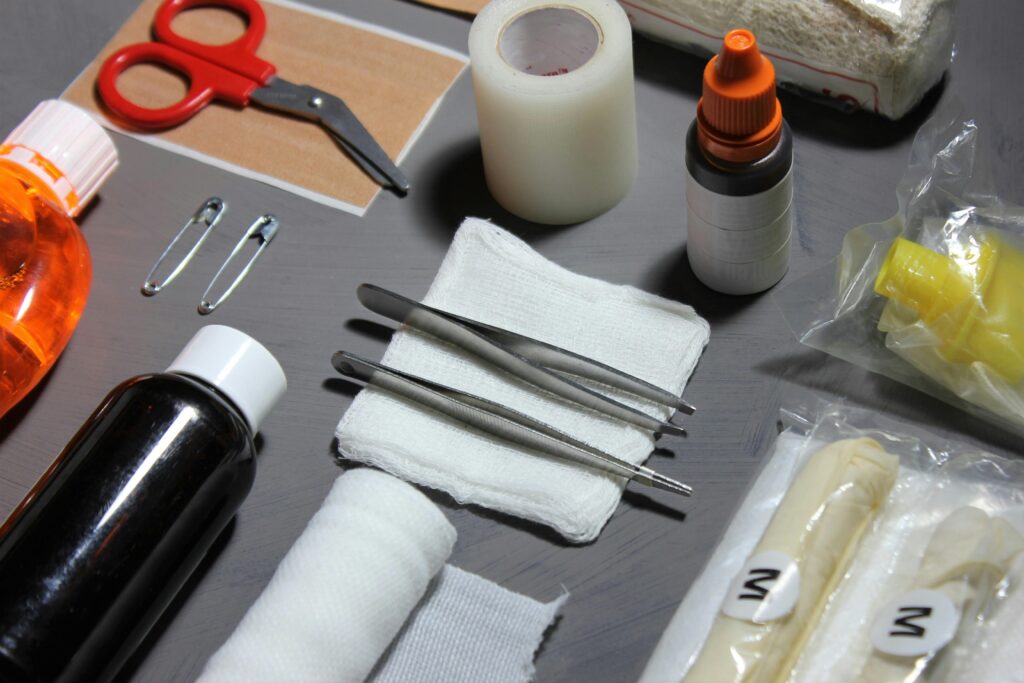
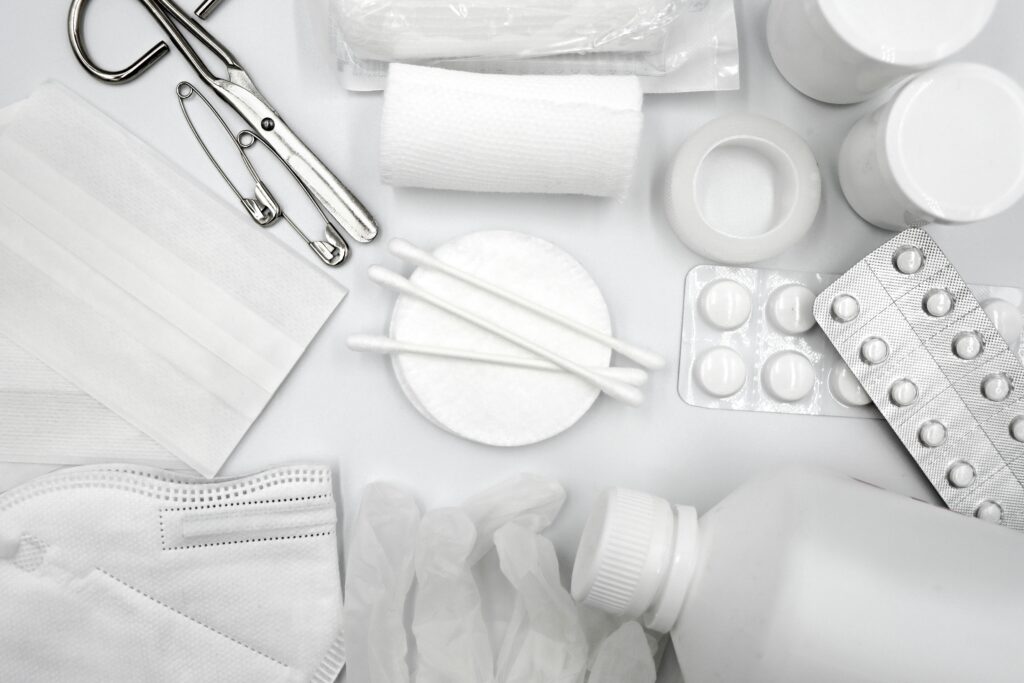
first aid essentials is a collection of basic medical supplies used to give immediate care in emergencies before professional help arrives. Here’s a clear, practical list of what it should include:
First aid is the immediate care given to someone who is injured or suddenly becomes ill. Its main goals are:
Preserve life
Prevent the condition from worsening
Promote recovery
1. Stay Calm and Assess the Situation
The first and most important step is to stay calm. Panic delays proper action. Quickly assess what happened and ensure the environment is safe for both you and the injured person.
Pro Tip: Check for “Danger, Response, Airway, Breathing” (DRAB) before acting.
Why You Need Essential First Aid Skills
Most accidents happen when least expected. By mastering essential first aid, you gain the confidence to handle high-pressure situations. This includes knowing how to perform CPR, treating burns, and managing heavy bleeding
2. Call for Emergency Help
In serious situations, call emergency services immediately. Provide clear and accurate information about your location and the victim’s condition. Never delay calling for help in critical emergencies.
3. Treat Cuts and Bleeding
Proper care is vital to prevent infection and excessive blood loss.
Clean: Wash the wound with clean water.
Pressure: Apply firm, steady pressure with a clean cloth to stop bleeding.
Cover: Use a sterile bandage once bleeding is controlled.
Warning: If bleeding is “pulsing” or heavy, call emergency services immediately.
A good first aid kit should be portable, clearly labelled, and regularly checked for expired
4. Handle Burns Properly https://www.healthline.com/nutrition/zinc
Quick action reduces tissue damage.
Do: Cool the burn under cool running water for at least 20 minutes.
Don’t: Apply ice, butter, oil, or toothpaste, as these can trap heat and cause infection.
Cover: Use a clean, non-stick dressing or plastic wrap (applied loosely).
5. Help Someone Who is Choking
Look for the universal sign: clutching the throat.
Partial Blockage: If they can cough or speak, encourage them to keep coughing.
Total Blockage: Perform abdominal thrusts (Heimlich maneuver). If they become unconscious, start CPR.
6. Respond to Fainting
Fainting is often a temporary drop in blood flow to the brain.
Lay the person flat on their back.
Raise their legs (about 12 inches) to restore blood flow to the heart and brain.
Loosen tight clothing and ensure they have fresh air.
7. Manage Sprains and Fractures
Use the R.I.C.E. acronym for soft tissue injuries:
Rest: Keep the injured area still.
Ice: Apply a cold pack (wrapped in a towel) for 20 minutes.
Compression: Use a bandage to provide support.
Elevation: Keep the injury raised above the level of the heart.
8. Perform CPR (Cardiopulmonary Resuscitation)
If a person is unresponsive and not breathing, start CPR immediately.
Push hard and fast: Aim for 100–120 compressions per minute
Depth: Push down at least 2 inches in the center of the chest.
9. Treat Nosebleeds
Position: Sit upright and lean forward (tilting back causes blood to go down the throat)
Pinch: Firmly pinch the soft part of the nose for 10–15 minutes without letting go.
10. The Essential First Aid Kit
Keep a kit in your home and car containing: first
Adhesive bandages .various sizes and gauze pads
Antiseptic wipes and antibiotic ointment
Disposable gloves and medical scissors
A digital thermometer and pain relievers (ibuprofen/acetaminophen)
Conclusion
Learning first aid is essential skills that can help save lives and reduce the severity of injuries. Staying calm and acting quickly can save lives. While this guide provides the basics, it is no substitute for hands-on training.
Key Components of Essential First Aid
To be fully prepared, your essential first aid toolkit should include:
Initial Assessment: Always check for danger before helping someone.
Airway Management: Ensuring the person can breathe properly.
Bleeding Control: Applying firm pressure to wounds.
In conclusion, learning essential first aid is a vital skill for every individual. It is not just about medical knowledge; it is about the safety and well-being of your community.
For better preparedness, consider taking a certificate first aid training course to improve your skills and knowledge.https://amiironline.com/blog
References
Bashir Ali
Health & Nutrition Writer | Founder of Amiironline.com
An accomplished Health and Nutrition Writer with a Master’s Degree and 12 years of professional experience in the wellness sector. He is the Founder and Editor-in-Chief of Amiironline.com, a leading digital platform dedicated to simplifying nutritional science and promoting evidence-based health awareness. He specializes in creating high-quality, SEO-optimized health content that bridges the gap between scientific research and public wellness.