
Thiamine also known as vitamin B1 is one of the 8 B-complex vitamins and is classified as water-soluble. It occurs naturally in specific foods, is added to food products, and is available in dietary supplements.
Learn about the importance of Vitamin B1 (Thiamine), its best food sources, and the vital role it plays in heart health, nervous system function, and energy production
It serves as a coenzyme the body uses to metabolize food for energy and to maintain proper heart and nerve function, playing a critical role in converting nutrients into usable energy in the form of ATP (adenosine triphosphate). https://my.clevelandclinic.org/
Contents: Overview / Sources / Recommended / Deficiency / Treatment
Role in the Body
Thiamine is central to maintaining cellular health and energy metabolism. It supports enzymes involved in glucose metabolism critical for powering cells and contributes to DNA repair mechanisms and the biosynthesis of pentose sugars, which are essential for nucleic acid synthesis. Beyond energy, thiamine is essential for the metabolism of glucose, amino acids, and lipids, with requirements closely tied to energy and carbohydrate intake.
Food Sources
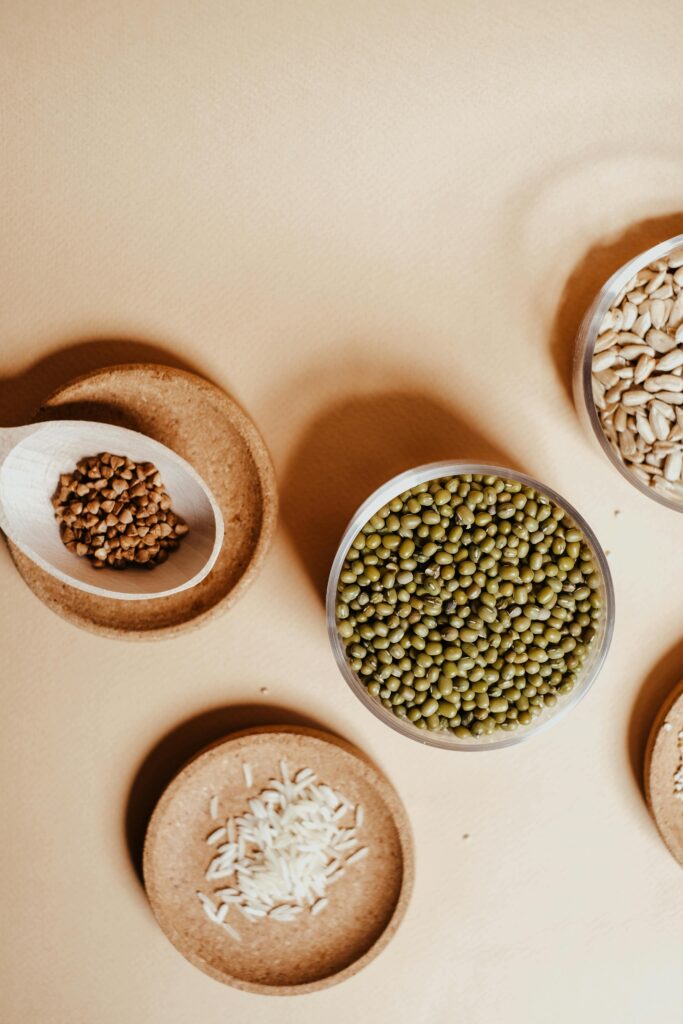
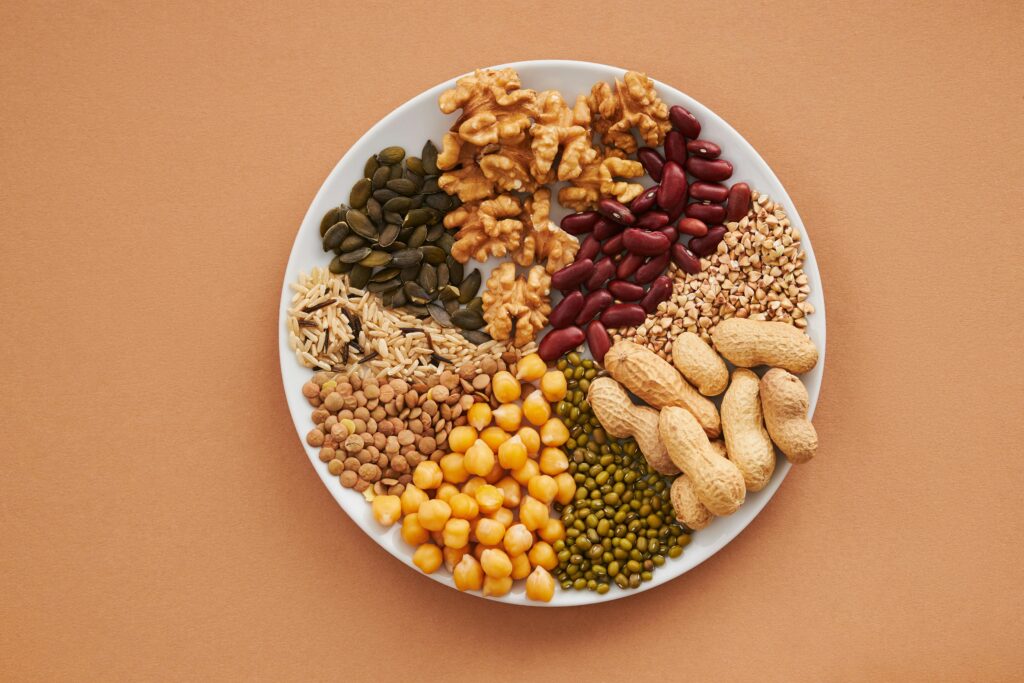
Rich dietary sources include brown rice, whole grains, pork, poultry, soybeans, nuts, peas, dried beans, and fortified grain products such as bread, cereals, and infant formulas.
Recommended Daily Intake
For adult men, the recommended daily intake is 1.2 mg, and for adult women, 1.1 mg. Pregnant or breastfeeding women require slightly more at 1.4 mg/day. For children, the allowance ranges from 0.2 mg at birth to 0.6 mg by age 6 months to 8 years.
Deficiency: Symptoms of Vitamin B1
Consistently low thiamine levels negatively impact the heart, immune system, and nervous system. Symptoms such as fatigue, loss of appetite, and nerve damage can appear in as little as three weeks. Severe deficiency known as beriberi can lead to weakness, chronic fatigue, heart complications, psychosis, and nerve damage. In its most serious neurological form, deficiency can progress to Wernicke-Korsakoff syndrome, a potentially life-threatening brain disorder. Who Is Most Vulnerable?
Globally, deficiency is most common in populations whose diets rely heavily on polished rice and refined grains. In Western countries, it is most frequently seen in individuals with alcohol dependency. (NCBI)
Older adults and people living with diabetes are also at elevated risk of developing vitamin B1 deficiency.
Latest Research (2025)
A 2025 study published in Frontiers in Nutrition explored the link between dietary vitamin B1 intake and stroke risk, highlighting that thiamine deficiency is closely associated with cardiovascular system damage, an area requiring further investigation.
Separate research from the Medical University of Lodz (2025) reinforced thiamine’s broader role as an essential health regulator, particularly in oxidative stress, mitochondrial function, and cellular protection.
Treatment & Prevention
The primary fix for low thiamine is increasing intake — ideally through a diet rich in thiamine-containing foods, targeting 1–1.2 mg daily for adults.
In clinical settings, for high-risk patients such as those with malnutrition or alcohol dependency, thiamine must be administered before or alongside glucose or nutritional support to prevent Wernicke encephalopathy. Would you like this exported as a Word document or formatted for a specific purpose such as a report or presentation?https://amiironline.com/blog
Key Functions of Vitamin B1
The primary job of Vitamin B1 is to assist in energy metabolism. Specifically, it acts as a coenzyme for an enzyme called pyruvate dehydrogenase. This process is essential for converting carbohydrates from your food into Adenosine Triphosphate (ATP), which is the primary energy currency of every cell in your body.
Beyond energy, Thiamine is vital for:
Nervous System Support: It helps in the development of myelin sheaths, which protect the nerves.
Brain Function: It is involved in the synthesis of neurotransmitters that control movement, memory, and emotional responses.
Heart Health: It supports the muscle contraction of the heart, ensuring a steady and healthy rhythm
conclusion
Vitamin B1 is a small but mighty nutrient that powers your heart, brain, and metabolism. Whether you are looking to improve your focus or simply maintain your energy levels throughout the day, ensuring you have enough Thiamine in your diet is a great place to start. For most people, a balanced diet rich in whole grains and legumes is enough to meet the daily requirement.
References
Bashir Ali
Health & Nutrition Writer | Founder of Amiironline.com
An accomplished Health and Nutrition Writer with a Master’s Degree and 12 years of professional experience in the wellness sector. He is the Founder and Editor-in-Chief of Amiironline.com, a leading digital platform dedicated to simplifying nutritional science and promoting evidence-based health awareness. He specializes in creating high-quality, SEO-optimized health content that bridges the gap between scientific research and public wellness.