

Dietary belong to a broader class of water-insoluble, organic molecules known as lipids, composed exclusively of carbon, hydrogen, and oxygen. Because of their non-polar chemical structure, they are inherently hydrophobic.
Contents: Introduction | Types | Symptoms | Daily Recommended
Introduction:
As one of the three vital macronutrients, alongside carbohydrates and proteins, fat is fundamental to homeostasis. Far from being just a storage mechanism for excess calories, fats are indispensable structural and signalling components required for optimal physiological function.
Definition
In Chemistry: are classified as lipids or triglycerides, structured from a glycerol molecule linked to three distinct fatty acid chains.
In Dietetics: is an energy-dense nutrient providing 9 calories per gram. It functions as a structural pillar for cells and a primary storage system for metabolic energy.
The Complete Guide to Dietary : Types, Sources, Benefits, and Deficiency Signs
For decades, dietary fat was labelled the ultimate health villain. We were told that cutting out fat was the secret to weight loss and a healthy heart.
Today, modern nutritional science has completely debunked the low, myth. Your body doesn’t just tolerate fat,it desperately needs it to survive and thrive. The secret lies in understanding the different types of fats, balancing your intake, and choosing the right sources to fuel your body.
Here is your definitive, research-backed guide to everything you need to know about dietary.
Types of Dietary
Not all . are created equal. They range from heart-protective powerhouses to industrial fats you should actively avoid.
1. Saturated Fat (Consume in Moderation)
Saturated: are typically solid at room temperature. For years, they have been at the center of intense nutritional debate.https://amiironline.com/what-is-a-protein-functions-benefits-health/
How it Affects the Body: It tends to elevate LDL (bad) cholesterol and total blood cholesterol (Encyclopedia Britannica). High intake is linked to an increased risk of heart disease, and some studies associate it with a greater risk of certain cancers, including specific breast cancer subtypes (Center for Biological Diversity).
Top Sources: Butter, cheese, red meat, full-fat dairy, lard, coconut oil, and palm oil.
2. Trans . (The Ugly Fat)
Artificial transm, are created through an industrial process called hydrogenation. This is widely recognized as the worst type of fat for human health.
How it Affects the Body: It simultaneously raises your LDL (bad) cholesterol and lowers your HDL (good) cholesterol. It is strongly linked to heart disease, stroke, and systemic inflammation.
The Recommendation: Avoid foods made with hydrogenated and partially hydrogenated oils entirely, as they contain high levels of dangerous trans fatty acids (MedlinePlus).
Top Sources: Fried foods, packaged snacks, donuts, pastries, margarine, and vegetable shortenings.
3. Monounsaturated:
Liquid at room temperature but beginning to solidify when chilled, monounsaturated , are a cornerstone of the heart-healthy Mediterranean diet.
How it affects the Body: A diet rich in MUFAs like olive oil can protect against coronary heart disease. Olive oil also delivers omega-6 fatty acids, plant sterols, and phenolic compounds that offer potent antioxidant properties, potentially protecting against certain cancers and inflammatory conditions like rheumatoid arthritis (Better Health Channel).
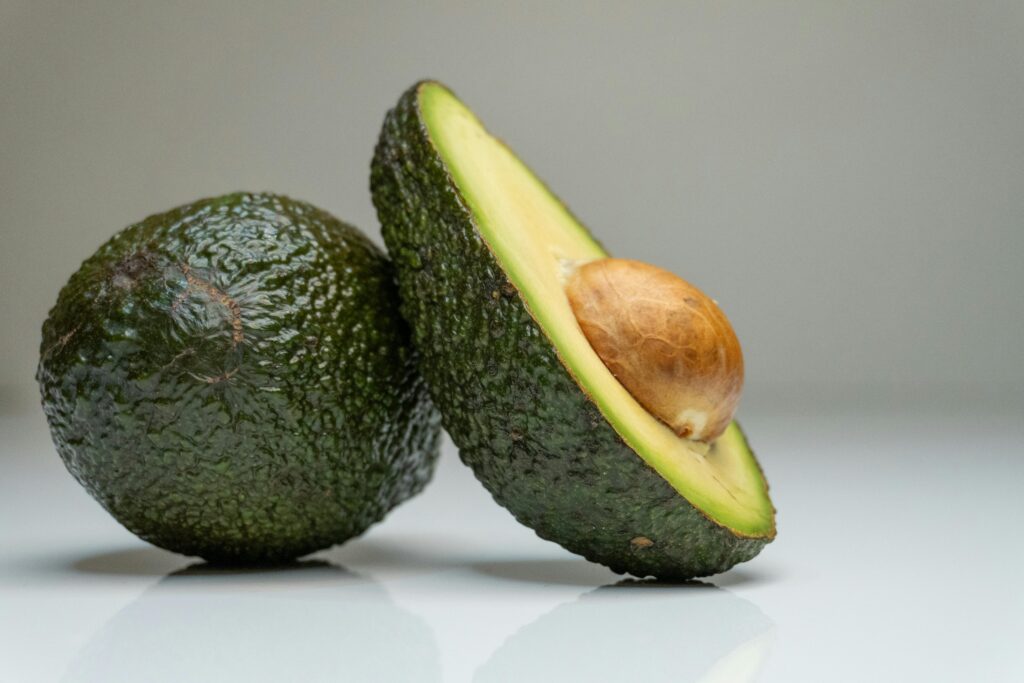
Top Sources: Extra virgin olive oil, canola oil, avocados, almonds, cashews, peanuts, and sesame oil.
4. Polyunsaturated, (PUFA – The “Essential.
Polyunsaturated fats are classified as “essential” because your body cannot manufacture them on its own, you must get them through your diet. They are broken down into three main categories:
Omega-3 Fatty Acids
Omega-3s are incredibly vital for head-to-toe health and are broken down into three main forms: EPA, DHA, and ALA.
Health Benefits: EPA helps reduce inflammation and can ease symptoms of depression. DHA is a major structural component of the brain, aiding in brain development and cognitive function. ALA (found in plants) can be converted by the body into EPA and DHA, benefiting the heart, immune system, and nervous system (DaVita Kidney Care).
Recommended Intake: Most experts recommend 250–300 mg per day of combined EPA and DHA. The adequate daily intake for ALA is 1.6g for adult males and 1.1g for adult females ,
Top Sources: Fatty fish (salmon, mackerel, tuna, herring, sardines), nuts and seeds (flaxseed, chia seeds, walnuts), plant oils (flaxseed, soybean, and canola oil), and fortified foods (certain eggs, yogurt, and milk) (Office of Dietary Supplements).
Omega-6 Fatty Acids
Omega-6s provide your body with sustained energy and contribute to vital cell membrane structures.
Health Benefits: The body converts linoleic acid (an omega-6) into arachidonic acid (AA). AA produces pro-inflammatory molecules that play a crucial, healthy role in triggering your immune system’s healing response (DaVita Kidney Care).
Top Sources: Walnuts, pine nuts, tofu, mayonnaise, sunflower seeds/oil, corn oil, and soybean oil.
The Critical Balance: In modern Western diets, the ratio of omega-6 to omega-3 is heavily skewed, reaching as high as 10:1 or even 25:1. However, the optimal ratio for proper body function is closer to 4:1. While omega-3s restrict inflammation, an excess of omega-6 can amplify chronic inflammatory responses (PubMed).
Omega-9 Fatty Acids
Unlike Omega-3 and 6, Omega-9 is not strictly essential because your body can produce it internally when it has enough,
Health Benefits: They complement your diet by supporting heart health and aiding in the reduction of systemic inflammation.
Top Sources: Olive oil, avocado oil, and almonds.
6 Key Functions in the Body
Why exactly does your body require dietary fat? It serves as the foundation for several critical biological systems:
Sustained Energy: While carbs are your body’s quick-burning fuel, is its long-term fuel reserve. After about 20 minutes of continuous exercise, your body depends partially on fat to keep you moving (MedlinePlus).
Vitamin Absorption: You can eat all the nutrients you want, but without fat, you can’t use them. Vitamins A, D, E, and K are fat-soluble, meaning they require dietary fat to be properly absorbed by your digestive tract.
Brain Health: Your brain is made up of nearly 60% fat, and DHA specifically makes up a massive portion of that brain tissue, supporting memory and sharp thinking.
Hormone Production: plays a fundamental role in producing hormones (including sex hormones like estrogens and testosterone) and regulates how your body’s cells are structurally made and functions,
Insulation & Protection: Subcutaneous . physically insulates your body to keep you warm, while visceral acts as a protective cushion around your vital organs.
Skin & Hair Health: Dietary . help maintain the natural moisture barriers of your skin and keep your hair strands strong, hydrated, and healthy.
Symptoms of Deficiency
When you don’t consume enough healthy fats, your body will send clear warning signs. Clinical symptoms of an essential fatty acid (EFA) deficiency commonly include a dry, scaly rash, decreased growth in infants, poor wound healing, and a higher susceptibility to infections (Linus Pauling Institute).
Symptom Direct Nutritional Cause
Dry, flaky skin & rashes Lack of essential fatty acids to maintain the skin barrier.
Hair loss & brittle nails Insufficient healthy fat intake to nourish follicles and cells.
Poor wound healing EFA deficiency slows down cellular repair and tissue growth.
Frequent illness A weakened immune response due to a lack of protective,
Vision & eye issues Low DHA levels (DHA is heavily concentrated in the retina).
Depression & mood disorders Low omega-3 levels are linked to higher risks of depression, postpartum depression, and schizophrenia.
Vitamin deficiencies chronic low ,prevents the absorption of Vitamins A, D, E, and K.
Cognitive decline Inadequate
Daily Recommended Fat Intake: Getting the Balance Right
To maintain optimal health, you don’t need to cut out ,you just need to manage the proportions:
The Golden Ratio: Adults should aim to get 20–35% of their total daily calories from healthy . On a standard 2,000-calorie diet, that translates to roughly 44–78 grams of fat per day (Reid Health).
Keep Saturated . Low: Ensure saturated fat accounts for less than 10% of your daily calories.
Eliminate Trans : Avoid industrial trans entirely.https://www.mayoclinic.org/
Prioritize the Best: Focus the majority of your daily fat intake on whole-food sources like extra virgin olive oil, wild fish, avocados, nuts, and seeds.
Disclaimer: This article is for informational and educational purposes only and does not constitute professional medical advice. Always consult with a healthcare professional or registered dietitian before making Significant changes to your diet or nutritional regimen
References
Bashir Ali
Health & Nutrition Writer | Founder of Amiironline.com
An accomplished Health and Nutrition Writer with a Master’s Degree and 12 years of professional experience in the wellness sector. He is the Founder and Editor-in-Chief of Amiironline.com, a leading digital platform dedicated to simplifying nutritional science and promoting evidence-based health awareness. He specializes in creating high-quality, SEO-optimized health content that bridges the gap between scientific research and public wellness.