

Vitamin B9 comes in two forms. Folate is the version your body finds naturally in food, while Folic Acid is the man-made version added to supplements and packaged foods. Both are water-soluble, meaning your body doesn’t store much of it — so you need it regularly from what you eat.https://amiironline.com/blog
Why Does Your Body Need It vitamin B9
Honestly, Vitamin B9 does a lot more than most people realize.
For pregnant women, it’s almost non-negotiable. It protects the developing baby from serious birth defects like spina bifida, and doctors recommend starting it even before pregnancy begins.
For everyone else, it keeps your blood healthy by helping produce red blood cells, supports your heart by keeping homocysteine levels in check, and even plays a role in how well your brain functions day to day. On top of that, your body needs it to build DNA and repair tissue so every time your cells divide and renew, B9 is working behind the scenes.
Where Can You Get It From Food vitamin B9
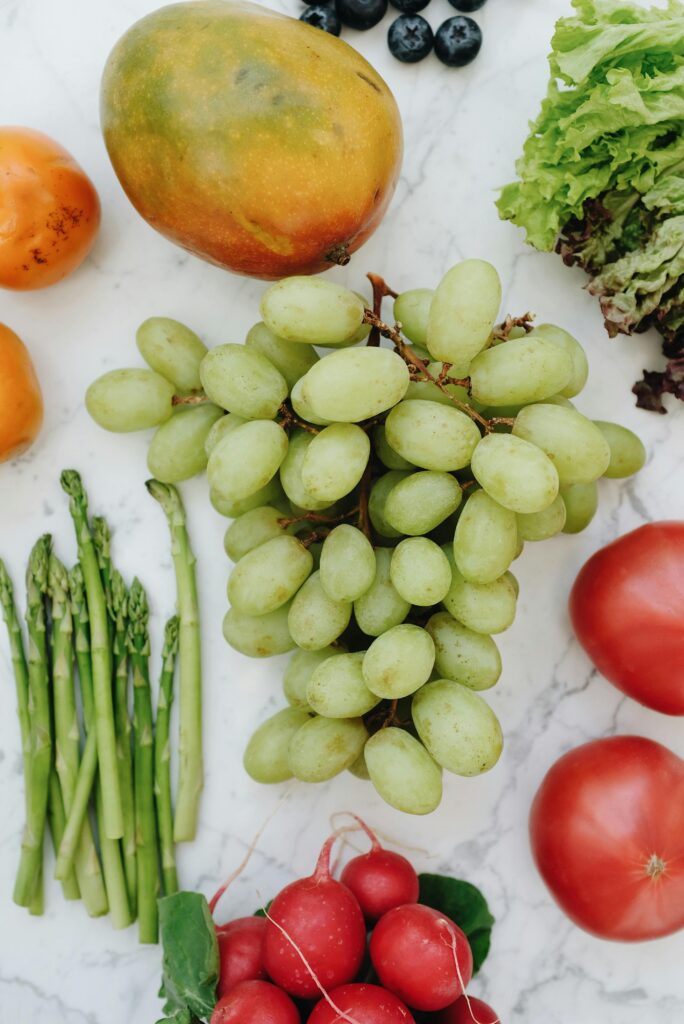
The best natural sources are leafy greens, beans, asparagus, okra, mushrooms, liver, orange juice, and tomato juice. If you eat fortified foods like bread, cereals, pasta, or crackers, you’re likely getting some folic acid from those too.
How Do You Know If You’re Not Getting Enough?
A deficiency can creep up quietly. Common signs include: Vitamin B9
1. Feeling constantly tired or weak
2. Pale skin and mouth sores
3. Hair loss
4. An irregular or racing heartbeat
5. Shortness of breath
6. Trouble focusing or thinking clearly
7. A type of anemia where red blood cells become oversized and don’t work properly
Worth knowing folate deficiency often shows up alongside low B12 or iron, so the symptoms can overlap.
Who Should Pay Extra Attention of vitamin B9
Some people are more vulnerable than others:
Pregnant women or anyone trying to conceive
Children and teenagers going through growth spurts
Athletes with high physical demands
Vegans and older adults who may also be low in B12
Anyone eating a poor or restricted diet
People with an MTHFR gene mutation, which makes it harder for the body to convert folic acid into the usable form
How Much Should You Take of vitamin B9
Most adults need around 400 mcg per day. Pregnant women should aim for the same amount specifically from folic acid supplements, as it’s been proven to reduce birth defect risk.
For best results, pair B9 with Vitamin B6 and B12 — the three work together especially well for heart and brain health.https://www.healthline.com
A Word of Caution
More is not always better. Staying under 1,000 mcg per day from supplements is important, because too much folic acid can actually hide a B12 deficiency and if that goes undetected for too long, it can cause permanent nerve and brain damage.
Getting too much from food alone is virtually impossible, so the concern is really about over-supplementing. If you’re unsure where your levels stand, a simple blood test will give you a clear answer.
Final Thoughts
Vitamin B9 is one of those nutrients that quietly keeps your body running — and you only really notice it when something goes wrong. From building your baby’s spine before you even know you’re pregnant, to keeping your heart, brain, and blood cells in good shape every single day, folate does far more than it gets credit for.
The good news is that getting enough isn’t complicated. Eat more greens, include a variety of whole foods in your diet, and if you’re pregnant or planning to be, start a folic acid supplement without delay. If you fall into any of the at-risk groups, don’t guess — get tested and know your levels.
Your body can’t make this vitamin on its own. But with a little awareness and the right habits, making sure you get enough is entirely within your control.
References
Bashir Ali
Health & Nutrition Writer | Founder of Amiironline.com
An accomplished Health and Nutrition Writer with a Master’s Degree and 12 years of professional experience in the wellness sector. He is the Founder and Editor-in-Chief of Amiironline.com, a leading digital platform dedicated to simplifying nutritional science and promoting evidence-based health awareness. He specializes in creating high-quality, SEO-optimized health content that bridges the gap between scientific research and public wellness.