

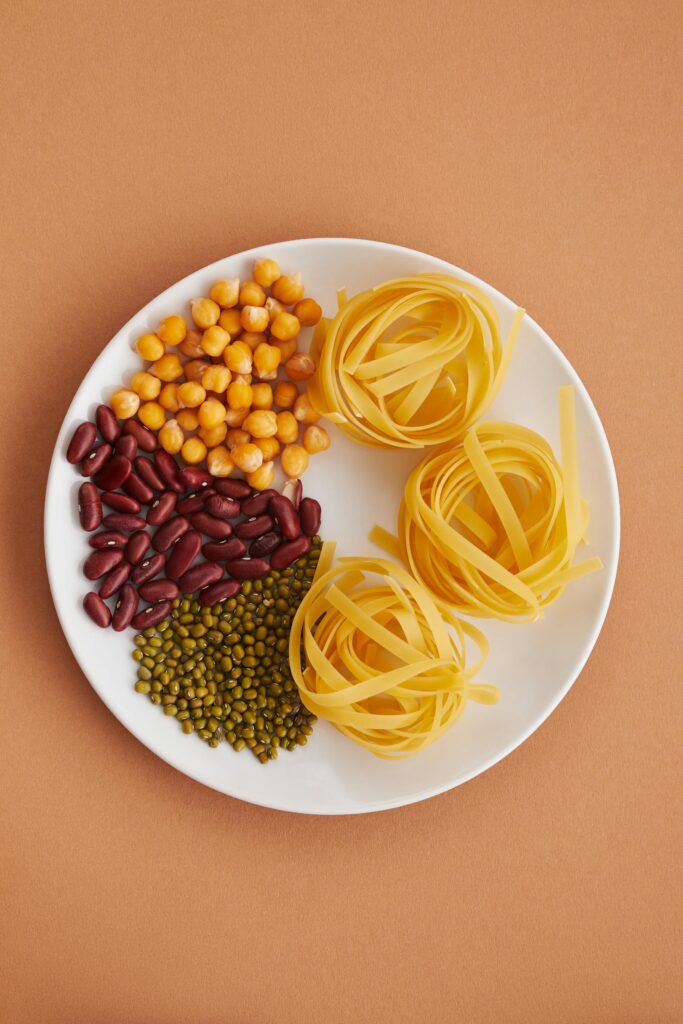
Carbohydrates often called “carbs” are one of the three essential macronutrients the human body needs, alongside protein and fat. They are the body’s primary and preferred source of energy, fuelling everything from basic organ function to high-intensity exercise.
The reality is simpler than the headlines suggest. Carbohydrates are not your enemy. But not all carbs are created equal either. Here’s what you genuinely need to understand.
The Basics: What Even Are Carbohydrates
Carbohydrates are one of three macronutrients your body needs to survive, the other two being protein and fat. Chemically, they’re made of carbon, hydrogen, and oxygen, but you don’t need to remember that. What matters is what they do: they’re your body’s main fuel source, the way petrol powers a car.
Every gram of carbohydrate gives you 4 calories of energy. And while some diets try to cut them out entirely, your brain, muscles, and organs are constantly running on them.
Not All Carbs Are the Same
This is where most people get confused, and honestly, it’s where the, carbs are bad” myth was born.
Simple carbs are basically sugars. They digest fast, hit your bloodstream quickly, and give you a short burst of energy. Think of the sugar rush you get from a can of soda that’s simple carbs at work. They’re found naturally in fruit and milk, but they’re also added to most processed foods, biscuits, sweets, and fizzy drinks. The natural ones come packaged with vitamins and fibre, so they’re fine. The added ones? That’s where it gets problematic.
Complex carbs are a different story. These are long chains of sugars that your body takes much longer to break down. They release energy slowly and steadily, keep you feeling full, and tend to come loaded with nutrients. We’re talking oats, brown rice, lentils, sweet potatoes, whole grain bread, the good stuff.
Fibre deserves its own mention. It’s technically a carbohydrate, but your body can’t fully digest it. And that’s exactly the point. Fibre slows everything down, feeds the good bacteria in your gut, helps lower cholesterol, and keeps your digestion running properly. Most people don’t eat nearly enough of it the target is around 25–38g a day, and the average person gets far less.
What Happens When You Eat Carbohydrates
When you eat a carbohydrate whether it’s a bowl of pasta or a piece of fruit your digestive system gets to work breaking it down into glucose, which is just a fancy word for blood sugar. That glucose enters your bloodstream, and your pancreas releases a hormone called insulin to move it into your cells, where it’s burned for energy.
Any glucose you don’t use immediately gets stored in your liver and muscles as glycogen, a kind of energy reserve. Your body holds roughly 4,000 calories worth of glycogen at any given time. When you’re exercising hard and run through those reserves, that’s when you “hit the wall.” Runners know this feeling all too well.
Why Your Body Actually Needs carbohydrates
Here’s what carbs do for you every single day:
They power your brain. Your brain runs almost entirely on glucose. When blood sugar drops too low, concentration goes with it.
They fuel your muscles. Especially during exercise, glycogen is the first thing your body reaches for.
They protect your protein. When you eat enough carbs, your body doesn’t need to break down muscle tissue for energy. That matters a lot if you’re trying to build or maintain muscle.
They keep your gut healthy. Fibre feeds the bacteria in your gut microbiome, which affects everything from digestion to immunity to mood.
The Health Picture
Research is pretty clear on this: people who eat the most carbohydrates, particularly from whole food sources like beans, vegetables, and whole grains tend to have lower rates of obesity, type 2 diabetes, and heart disease.
The problem isn’t carbs. It’s which carbs.
Added sugars especially the fructose packed into sugary drinks and ultra-processed snacks raise triglyceride levels in your blood and increase the risk of heart disease. Refined carbs like white bread and white rice digest so fast they spike blood sugar and leave you hungry again an hour later.
If you have type 2 diabetes or insulin resistance, this matters even more. Complex carbs and fibre are generally much better tolerated than simple sugars because they don’t cause the same sharp rises in blood glucose.https://my.clevelandclinic.org/
So What Should You Actually Eat?
You don’t need to count every gram. A few practical habits go a long way:
Swap white bread, white rice, and white pasta for wholegrain versions where you can
Eat more legumes, lentils, chickpeas, and beans are some of the most nutrient-dense foods on the planet
Don’t fear fruit, the sugar in whole fruit is nothing like the sugar in a chocolate bar
Cut back on sugary drinks; they’re probably the single worst carb source in most people’s diets
Pair carbs with protein or healthy fat, it slows digestion and keeps you fuller longer
The recommended range is 45–65% of your daily calories from carbohydrates. For most people eating a balanced diet, that happens naturally without tracking anything
Conclusion
Carbohydrates are not the enemy they are an essential, versatile macronutrient that powers the brain, fuels muscles, and supports gut health. The key is quality: prioritizing whole-food, fibber-rich sources while minimizing refined sugars and ultra-processed foods.
Your body has been running on carbohydrates for its entire existence. The goal isn’t to eliminate them; it’s to choose the right ones.https://amiironline.com/blog
References
Bashir Ali
Health & Nutrition Writer | Founder of Amiironline.com
An accomplished Health and Nutrition Writer with a Master’s Degree and 12 years of professional experience in the wellness sector. He is the Founder and Editor-in-Chief of Amiironline.com, a leading digital platform dedicated to simplifying nutritional science and promoting evidence-based health awareness. He specializes in creating high-quality, SEO-optimized health content that bridges the gap between scientific research and public wellness.