

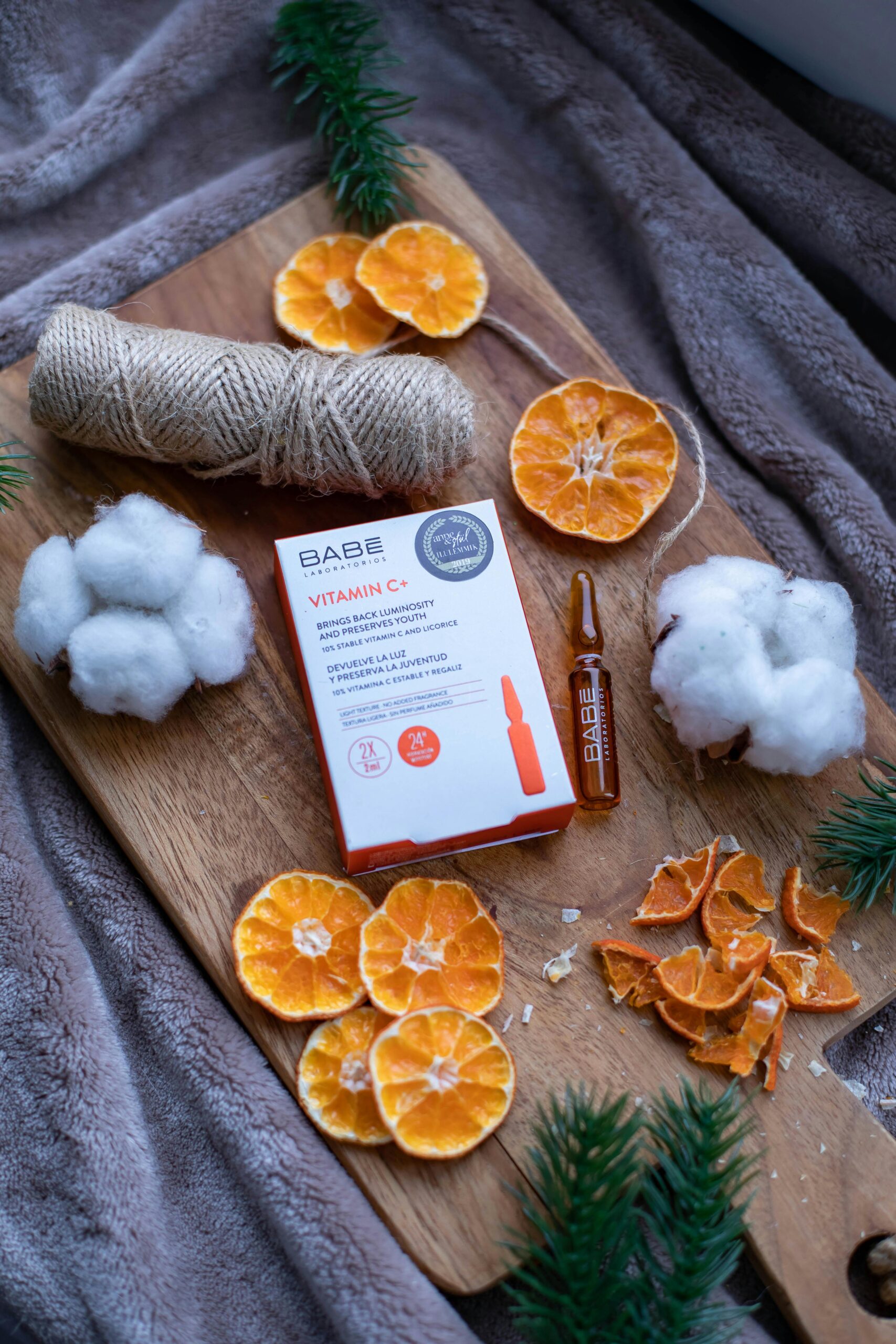

Vitamin C for Skin: Benefits, Usage, and Essential Tips
is renowned as one of the most powerful ingredients in skincare. Known for its potent antioxidant properties, it helps protect, repair, and brighten the skin. Whether you incorporate it into your diet or apply it as a topical serum, understanding how to use Vitamin C correctly is key to achieving a healthy, radiant glow.https://www.mayoclinic.org/
Contents: What is / Functional / Uses / Sources / Common Mistakes
What is Vitamin C?
also known as ascorbic acid, is a water-soluble nutrient that plays a vital role in maintaining the body’s connective tissues. Since the human body cannot produce or store Vitamin C, daily intake through diet or supplementation is essential for overall health.
Key Physiological Roles:
Antioxidant Protection: It neutralizes free radicals, protecting cells from oxidative stress.
Collagen Synthesis: It is essential for the production of collagen, the primary structural protein in the skin.
Iron Absorption: It significantly improves the absorption of non-heme iron from plant-based foods.
5 Incredible Benefits of Vitamin C for Skin
1. Brightens Skin Tone
helps reduce dullness by inhibiting melanin production. This process fades dark spots and gives your complexion a natural, vibrant glow.
2. Boosts Collagen Production
Collagen is the secret to firm, youthful skin. Vitamin C stimulates collagen synthesis, which effectively reduces the appearance of fine lines and wrinkles.
3. Protects Against Environmental Damage
As a powerful antioxidant, Vitamin C shields your skin from free radicals caused by UV rays and pollution. While it doesn’t replace sunscreen, it adds a critical extra layer of defense.
4. Reduces Hyperpigmentation
Regular application can help lighten acne scars, sun spots, and other pigmentation issues, leading to a more even skin tone.
5. Hydrates and Retains Moisture
Certain derivatives of Vitamin C help the skin retain moisture, keeping it soft, plump, and hydrated throughout the day.
Uses of Vitamin C Correctly
Apply a Vitamin C Serum: For best results, apply a serum once daily in the morning after cleansing.
Always Pair with Sunscreen: Vitamin C works best when followed by a broad-spectrum sunscreen (SPF 30 or higher) to prevent UV oxidation.
Start Slowly: If you have sensitive skin, start with a lower concentration (10–15%) to avoid irritation before moving to stronger formulas.
Proper Storage: Vitamin C is sensitive to light and air. Store your bottle in a cool, dark place and ensure the cap is tightly closed to prevent oxidation.
Top Vitamin C-Rich Foods:
To support your skin from the inside out, include these in your diet:
Fruits: Oranges, Lemons, Strawberries, and Kiwi.
Vegetables: Bell peppers and Broccoli.
Common Mistakes to Avoid
Using too high a concentration too quickly.
Skipping sunscreen after application.
Mixing Vitamin C with strong acids (like Retinol or AHAs) without professional guidance.
Using a product that has turned dark orange or brown (a sign of oxidation).
f your levels drop, your body’s structural integrity begins to fail. Early signs include:
Oral Health: Swollen, bleeding gums or loose teeth.
Skin & Healing: Easy bruising and wounds that take a long time to close.
Physical Fatigue: Persistent tiredness and low motivation.
Joint Issues: Aching or swollen joints due to weakened cartilage.
Mood Shifts: Increased irritability or unexplained low mood (related to dopamine synthesis).
Pro-Tips for Maximum Absorption
Split Your Doses: Your body absorbs Vitamin C more efficiently in smaller, frequent amounts rather than one giant “megadose.”
Keep it Cool: Store peppers and citrus in the fridge to prevent the nutrient from degrading.
The Smoker’s Tax: If you smoke or drink heavily, your body uses Vitamin C much faster to combat oxidative stress—increase your intake accordingly.
Ditch the Juice: Opt for whole fruit. You’ll get the Vitamin C plus the fiber and phytonutrients that juices lack.
Frequently Asked Questions
Does it cure the cold?
Not exactly. While it won’t necessarily stop you from catching a cold, regular intake can reduce the duration and severity by about 8%.
Can I take too much?
Since it’s water-soluble, you’ll mostly just pee out the excess. However, doses above 2,000mg can lead to stomach cramps, diarrhea, and an increased risk of kidney stones.
Is a supplement better than food?
Usually, no. Whole foods provide a “complex” of nutrients that work together. Supplements are best reserved for those with restricted diets, smokers, or those recovering from surgery.
Your body needs Vitamin C every single day to build, protect, and thrive. Keep your plate colourful, and your body will do the rest.https://amiironline.com/blog
Summary
Vitamin C is a must-have for anyone seeking healthy, glowing skin. By consistently using it in your skincare routine and maintaining a nutrient-rich diet, you can achieve a brighter complexion, reduced wrinkles, and long-term protection against skin damage.
References
Bashir Ali
Health & Nutrition Writer | Founder of Amiironline.com
An accomplished Health and Nutrition Writer with a Master’s Degree and 12 years of professional experience in the wellness sector. He is the Founder and Editor-in-Chief of Amiironline.com, a leading digital platform dedicated to simplifying nutritional science and promoting evidence-based health awareness. He specializes in creating high-quality, SEO-optimized health content that bridges the gap between scientific research and public wellness.