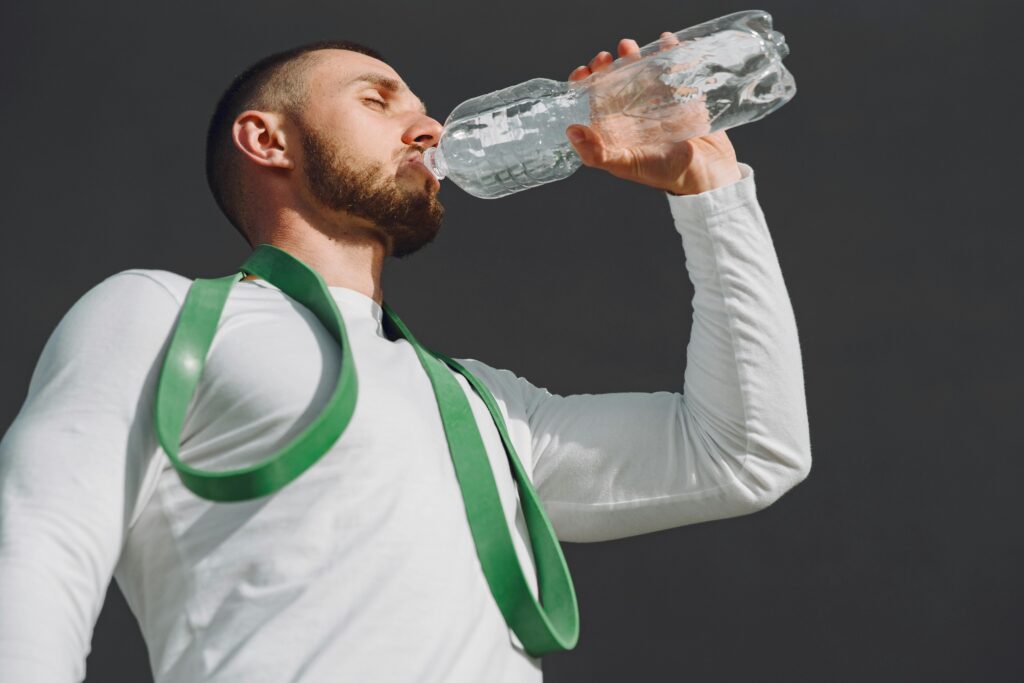

is a transparent, odourless, tasteless, and colorless liquid composed of two chemical elements. The scientific formula for water is H_2O, which means that a single molecule of water consists of two hydrogen atoms bonded to one oxygen atom.”
is the absolute cornerstone of human survival. While our bodies can endure weeks without food, we can only survive a few days without proper hydration. Despite its critical importance, chronic underhydration remains a silent epidemic, affecting millions of people worldwide who remain entirely unaware of its impact on their daily well-being.
Introduction
Covering over 70% of the Earth’s surface and comprising roughly 60% of the human body, water is far more than a simple thirst quencher. It serves as the primary medium for virtually every biochemical reaction in the human body, from regulating core temperature and lubricating joints to transporting vital nutrients and flushing out metabolic…
Recommended Daily Fluid Intake
Adult Men ~3.7 Litres (125 fl oz) Includes total moisture from all fluids and whole foods.
Adult Women ~2.7 Litres (91 fl oz) Target baseline for moderate daily activity in temperate climates.
Pregnant Women ~3.0 Litres (101 fl oz) required to support expanded blood volume and amniotic fluid.
Lactating Women ~3.8 Litres (128 fl oz) Crucial to offset fluid loss from continuous milk production.
Children (Ages 4–8) ~1.2 Litres (40 fl oz) Scaled upward during prolonged outdoor physical play.
Adolescents ~1.8 – 2.6 Litres Higher targets apply to competitive student-athletes.
Athletes & Fitness Enthusiasts +500 – 1,000 mL Additional intake required per hour of high-intensity exercise.https://amiironline.com/what-is-a-protein-functions-benefits-health/
Extreme…
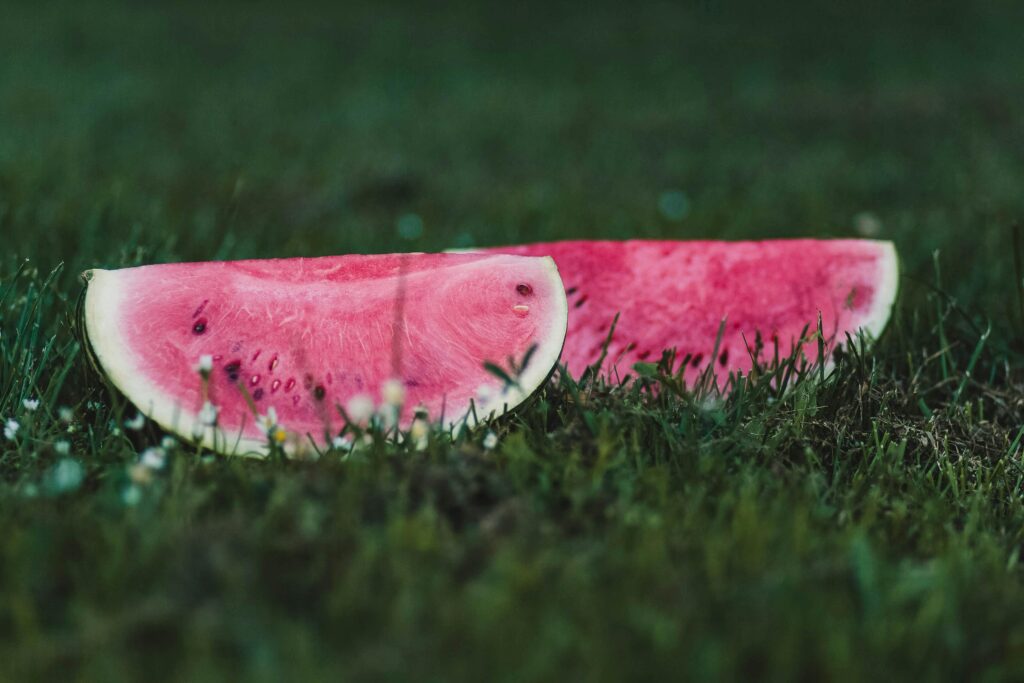
Note: Approximately 20% of your daily fluid intake comes from solid food. Incorporating moisture-rich fruits and vegetables, such as cucumbers (96% water), watermelon (92%), and spinach (91%), is an excellent way to supplement your daily target.
Signs of Dehydration
Thirst is a delayed indicator of fluid depletion. By the time your brain registers the sensation of thirst, your body is already experiencing mild dehydration.
Early and Moderate Indicators:
Dark yellow, amber, or honey-colored urine.
Persistent dry mouth, chapped lips, or a scratchy throat.
Dull, throbbing tension headaches or transient dizziness.
Sudden unprovoked fatigue, mental fog, or irritability.
Low urination frequency (fewer than four bathroom visits per day).
Localized muscle cramping, particularly during light physical activity.
Severe Complications:
Losing more than 5% to 8% of total body fluid constitutes a medical emergency. Symptoms include a rapid, thumping heart rate, sunken eyes, low blood pressure, severe confusion, and fainting. If you observe these symptoms, seek immediate medical attention.
The Real-Time Hydration Test
The easiest way to track your hydration status throughout the day is to monitor the color of your urine:
Tips to Build Lasting Hydration Habits
Knowing how much water you need is only half the battle; the real challenge is building the habit. Use these ten practical strategies to make consistent hydration effortless:
The Morning Rehydration Ritual: Drink a full 12-to-16-ounce glass of water immediately after waking up. This offsets the natural 6-to-8-hour fasting dehydration that occurs while you sleep.
Keep Your Water Bottle Visible: Visual cues drive behavior. Keeping a dedicated, reusable water bottle directly within your line of sight on your desk or workspace acts as a constant reminder to sip throughout the day.
The Pre-Meal Guardrail: Commit to drinking a glass of water 30 minutes before every meal. This habit primes your digestive enzymes and stretches the stomach wall, helping prevent overeating.
Automate Your Reminders: Use a dedicated habit-tracking app or set a recurring phone timer every 60 to 90 minutes. This takes the pressure off your working memory until drinking water becomes an automatic response.
Infuse with Natural Flavors: If plain water feels unappealing, infuse it with fresh cucumber, lemon slices, mint leaves, or frozen berries. This adds crisp, refreshing flavor without relying on refined sugars or artificial sweeteners.
Eat High-Moisture Foods: Incorporate structural hydration into your meals. Celery, bell peppers, tomatoes, grapefruit, and strawberries supply cellular fluid alongside raw fiber, vitamins, and minerals.
Structure Your Exercise Hydration: Drink 500 mL of water roughly two hours before a workout. Sip 150 to 250 mL every 20 minutes during exercise, and replenish with clean fluids immediately afterward to replace lost sweat.
The 1-to-1 Caffeine Rule: Match every cup of coffee, tea, or soda with an equal glass of pure water. Because caffeine acts as a mild diuretic, this simple rule ensures you maintain a neutral net fluid balance.
Use an Hourly Time-Marked Bottle: Invest in a water bottle featuring timed external markers (e.g., “Goal by 10:00 AM”). Breaking your daily target down into small hourly check-ins makes the goal feel much more achievable.
Reflexive Progress Evaluation: Get into the habit of checking your urine color every time you use the restroom. Let this direct biofeedback guide exactly how much water you reach for over the next few hours.
Frequently Asked Questions
Do coffee and tea count toward my daily target?
Yes. Despite the mild diuretic properties of caffeine, clinical trials show that moderate daily consumption (3 to 4 cups) does not dehydrate regular caffeine drinkers. These beverages still contribute positively to your total daily fluid baseline.
Is sparkling water just as effective as still.
Carbonated water provides identical systemic hydration to still water. While sparkling water is slightly more acidic due to dissolved carbon dioxide, there is no evidence suggesting it degrades dental enamel or bone density under normal consumption habits. Just be sure to choose options without added sugars.
Can you drink too much water?
Yes. Consuming excessive amounts of water over a very short period can cause hyponatremia, a condition where blood sodium levels drop dangerously low. This is rare in healthy adults with normal kidney function and is primarily an issue for endurance athletes who replenish heavy sweat losses with plain water rather than balanced electrolyte solutions.
Does ice-cold water burn more calories?
The thermic effect is real but minimal. Your body expends a tiny amount of energy (roughly 8 calories per glass) to warm ice-cold water up to your internal body temperature. While true, this caloric expenditure is too small to serve as a standalone strategy for weight loss.
Is filtered water inherently safer than standard tap.
In municipal areas with strictly managed water infrastructure, tap water is completely safe and shares the same nutritional baseline as filtered alternatives. Countertop filters are great for improving taste and catching trace sediments or chlorine, but they are generally a personal preference rather than a medical necessity.
Exactly how does water help with weight loss?
assists with weight management in two ways: it temporarily boosts your resting metabolic rate and fills stomach volume when consumed right before meals, which naturally dials down your overall calorie intake. Additionally, proper hydration keeps you from confusing thirst signals with hunger cues.
Summary: Small Changes, Transformative Results
Optimizing your daily hydration doesn’t require expensive supplements, strict diet protocols, or lifestyle overhauls. It is one of the most accessible health habits available, yet it remains one of the most frequently overlooked.https://lifeandhealth.org/
To get started, don’t worry about hitting a perfect gallon target tomorrow. Simply commit to one small change: drink a full glass of water right when you wake up in the morning. Build from that foundation, and your focus, energy levels, and physical performance will quickly follow suit.
Disclaimer: This article was compiled and reviewed with the assistance of structured scientific data to ensure accuracy.
References
Bahir Ali
Health & Nutrition Writer | Founder of Amiironline.com
An accomplished Health and Nutrition Writer with a Master’s Degree and 12 years of professional experience in the wellness sector. He is the Founder and Editor-in-Chief of Amiironline.com, a leading digital platform dedicated to simplifying nutritional science and promoting evidence-based health awareness. He specializes in creating high-quality, SEO-optimized health content that bridges the gap between scientific research and public wellness.