
Your comprehensive guide to supplements: what it is, why it matters, and how to get more of it
Contents: What is / Function / Benefits / Sources / Types / Dosage / Side Effects
Introduction
is the most abundant protein in the human body, accounting for roughly 30% of our total protein content. Often described as the biological “glue” holding us together, it provides the essential structural framework for skin, bones, tendons, cartilage, and blood vessels. Without sufficient collagen, our structural tissues lose their structural integrity, strength, and elasticity.
In recent years, the collagen market has surged with powders, capsules, and functional foods. But does the clinical data support the massive hype? This comprehensive breakdown explores the science behind collagen, its primary types, health benefits, dietary sources, and how to optimize your levels naturally.
What Is Collagen?
is a rugged, fibrous structural protein built primarily from three specific amino acids: glycine, proline, and hydroxyproline. These form a tight triple-helix molecular structure, giving collagen its distinct tensile strength and resilience.
It is synthesized by specialized connective tissue cells called fibroblasts. However, natural production hits a peak early and begins a steady decline starting in your mid-20s. This degenerative process accelerates over time and is compounded by external lifestyle factors, including:
Chronic UV radiation (sun exposure)
Smoking and tobacco consumption
High intake of refined sugars and processed carbohydrates
Elevated daily stress levels
Chronic sleep deprivation
Nutritional deficits (most notably, a lack of Vitamin C)
The Different Types
While scientists have identified at least 28 distinct varieties of this protein, five main types dominate human physiology and wellness applications:
Type Location in Body Key Function
Type I. Skin, bones, tendons, ligaments, organs Most abundant type; provides immense structural and tensile strength
Type II. CartilageCushions and supports smooth, flexible joint movement
Type III. Muscles, arteries, internal organsWorks alongside Type I; maintains blood vessel wall integrity
Type IV. Basement membranesFunctions as a crucial filtration layer in cellular sheets and kidneys
Type V. Hair, placenta, corneas Aids cell surface development and co-assembles with Type I
Benefits of Collagen
1. Improves Skin Health and Reduces Wrinkles
forms the primary architecture of the dermal layer. As production drops, skin thins and loses its bounce. Clinical trials indicate that regular intake of hydrolyzed collagen (collagen peptides) can noticeably minimize wrinkle depth, enhance hydration, and restore dermal elasticity. typically within 8 to 12 weeks of daily use.
2. Supports Joint Health and Reduces Pain
The protective cartilage shielding your joints relies heavily on Type II collagen. Depleted levels lead to friction, stiffness, and conditions like osteoarthritis. Studies demonstrate that collagen supplementation can markedly reduce joint discomfort and exercise-induced pain, particularly in athletes and aging individuals.
3. Strengthens Bones
Bones are not just made of calcium; they require a flexible framework of Type I. to prevent them from becoming brittle and fragile. Research highlights that targeted collagen intake helps improve bone mineral density, offering protective benefits against bone-thinning conditions like osteoporosis.
4. Promotes Muscle Mass and Recovery
While not a primary muscle-building protein, is an essential structural component of skeletal muscle tissue. Research involving age-related muscle wasting (sarcopenia) shows that pairing resistance training with collagen peptide supplementation leads to greater improvements in muscle mass and functional strength than exercise alone.
5. Supports Gut Health
The delicate, single-cell thick lining of your digestive tract contains a high concentration of structural collagen. Amino acids like glycine found in collagen are frequently utilized in clinical protocols to soothe inflammation, support mucosal barrier integrity, and manage symptoms associated with “leaky gut” syndrome.
6. Promotes Heart Health
Your arterial walls require collagen to remain strong and flexible. A lack of structural integrity can cause arteries to become rigid and fragile. Clinical indicators suggest that specific collagen tripeptides help lower arterial stiffness while favorably boosting HDL (good) cholesterol levels.
7. Supports Hair and Nail Growth
supplies the fundamental amino acids needed to build keratin, the protein that makes up your hair and nails. Regular users often report a noticeable reduction in nail brittleness, less splitting, and faster overall growth rates.
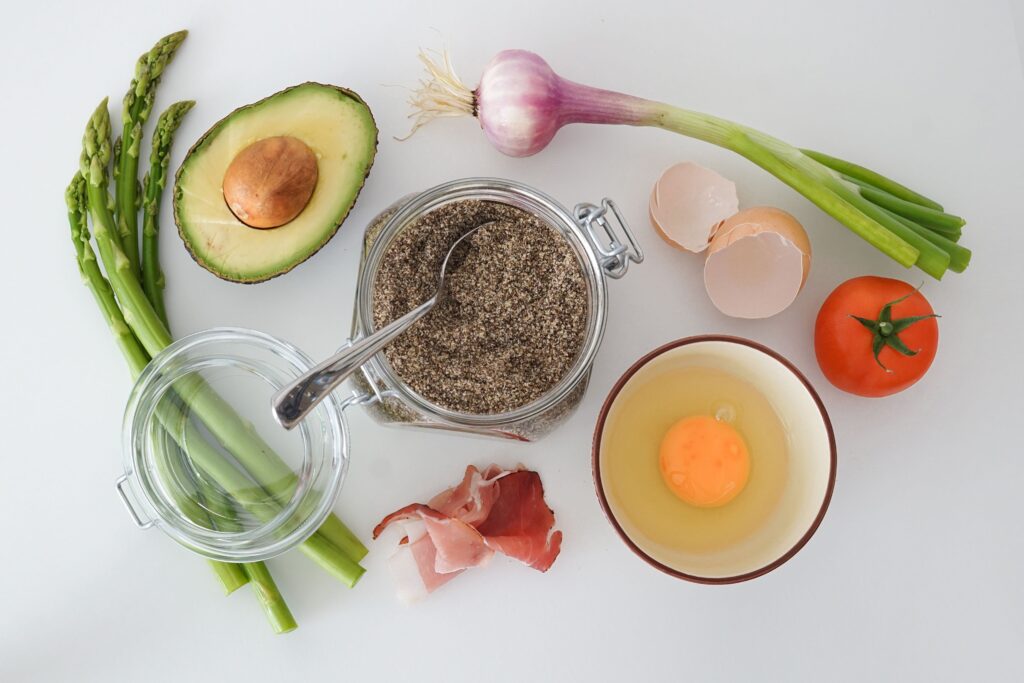
Food Sources:
Foods That Contain Collagen Directly
Bone Broth: Simmered bones extract rich amounts of highly bioavailable.
Chicken Skin: An excellent direct source loaded with Type I and Type III.
Fish and Shellfish: Marine collagen is highly regarded for its superior absorption rates.
Pork Skin (and Gelatin): Cooked forms of collagen that provide direct amino acid building blocks.
Egg Whites: Packed with high concentrations of proline, a vital precursor for internal synthesis.
Foods That Support Collagen Synthesis
Vitamin C-Rich Foods: Citrus fruits, bell peppers, leafy greens, and strawberries (an essential cofactor).
Zinc-Rich Foods: Pumpkin seeds, lean beef, lentils, and chickpeas.
Copper-Rich Foods: Organ meats, sesame seeds, cashews, and cocoa.
Sulfur-Rich Foods: Garlic, onions, leeks, and cruciferous vegetables.
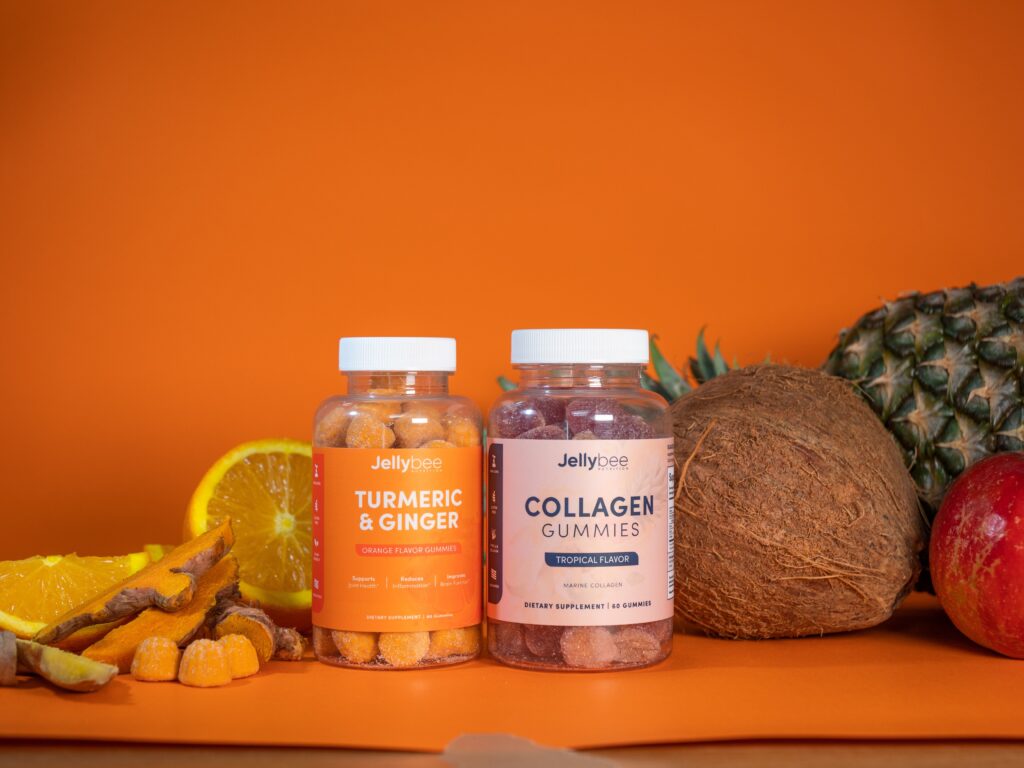
Types of Collagen Supplements
Hydrolysed. (Peptides): Pre-broken down into tiny amino acid chains for optimal, rapid gut absorption. This is the most heavily studied form.
Gelatin: Partially degraded. ideal for culinary thickening but possesses slightly lower systemic bioavailability.
Undenatured Type II: Primarily targeted at joint preservation and modulating immune responses in cartilage.
Marine Collagen: Derived from fish scales and skin; highly pure and rich in Type I.
Bovine Collagen: Sourced from cattle hides; provides a robust blend of Type I and Type III.
How to Choose a Quality Supplement
Prioritize these factors when purchasing a commercial product:
Look for third-party certifications (such as NSF, USP, or Informed-Sport) to verify purity.
Opt for hydrolyzed peptides to ensure your body can actually break down and use the product.
Avoid products loaded with excessive artificial fillers, chemical preservatives, or heavy sugars.
Seek sourcing transparency (e.g., 100% grass-fed bovine or wild-caught marine sources).
Recommended Dosage
Clinical literature generally supports a daily intake ranging between 2.5 and 15 grams of hydrolysed peptides. A baseline dose of 10 grams per day is widely considered the sweet spot for achieving measurable dermatological and joint benefits.
Factors That Destroy.
Even with ideal intake, aggressive lifestyle habits can actively accelerate collagen degradation:
UV Radiation: Unprotected sun exposure triggers matrix metalloproteinases (MMPs), enzymes that systematically tear down the skin’shttps://amiironline.com/vitamin-c-c-for-skin
Smoking: Chronic smoking chokes off localized blood supply and generates free radicals that destroy both collagen and elastin fibers.
High-Sugar Diets: Excess sugar bonds with proteins via glycation, forming Advanced Glycation End-products (AGEs) that render collagen stiff, fragile, and weak.
Chronic Stress: Elevated cortisol actively suppresses new collagen synthesis.
How to Boost Collagen Naturally
You can protect and optimize your natural collagen levels through targeted lifestyle shifts:
Prioritize Vitamin C Intake: Your body cannot structurally form or cross-link collagen without it.
Apply Daily Broad-Spectrum Sunscreen: Preventing UV damage is the most effective anti-aging strategy available.
Optimize Sleep Quality: Aim for 7 to 9 hours; deep sleep triggers the release of growth hormones necessary for cellular and tissue repair.
Incorporate Weight Training: Structural mechanical loading prompts cells to repair and strengthen connective tissues.
Collagen and Aging
As a baseline rule of biology, natural collagen production drops by roughly 1% every year past your mid-20s. By the time you enter your 40s and 50s, this deficit manifests as visible fine lines, structural skin sagging, joint clicking or stiffness, and prolonged recovery times from physical stress. Early, preventive lifestyle and nutritional support during your 20s and 30s yields the most protective long-term outcomes.
Collagen & Other Proteins
is technically an incomplete protein because it completely lacks tryptophan, one of the nine essential amino acids. Consequently, it should never replace your core dietary protein sources like whole foods or whey isolating powders for heavy muscle hypertrophy. However, its hyper-concentrated levels of glycine and proline offer unique biological benefits for skin elasticity, gut linings, and joint cartilage that traditional sports proteins simply cannot match.
Side Effects and Safety
Hydrolysed. maintains an excellent clinical safety profile. Mild, infrequent side effects may include:
Transient digestive changes, mild bloating, or a sensation of fullness.
Allergic reactions if you inadvertently consume a source you are sensitive to (such as marine collagen for someone with a shellfish allergy).
A mild, lingering aftertaste in unflavored formulations.
Frequently Asked Questions (FAQ)
How long does it take for collagen supplements to work?
Dermatological shifts (hydration and bounce) typically become visible between 8 to 12 weeks of daily tracking. Joint structural improvements and pain reduction generally require 3 to 6 months of consistent use.
Can you get enough collagen from food alone?
Yes. Consuming a whole-food diet naturally abundant in bone broths, slow-cooked meats, fish, and necessary mineral cofactors can satisfy baseline requirements. However, targeted clean supplements offer a controlled, highly concentrated dose that is far more practical for addressing specific issues like advanced joint pain or deep dermal aging.
Is collagen vegan?
No. Authentic. is exclusively animal-derived. Products marketed as “Vegan Collagen Boosters” do not actually contain collagen; instead, they supply the specific plant-based amino acids, vitamins, and minerals your body requires to step up its own internal production.
Does collagen help with weight loss?
It is not a metabolic fat-burner. However, because it is a dense source of protein, it helps induce satiety, regulating your appetite and preserving lean tissue mass during caloric deficits.
Can I take collagen with other supplements?
Absolutely. It pairs exceptionally well with Vitamin C (which directly facilitates synthesis), hyaluronic acid, and zinc.https://my.clevelandclinic.org
Conclusion
is far more than a passing cosmetic fad; it is a foundational structural protein vital to holistic physical longevity. While an inevitable decline occurs with age, safeguarding your structural health through strategic whole foods, smart supplementation, daily UV protection, and restorative sleep is one of the most reliable investments you can make for long-term physical vitality.
Disclaimer: This article is for informational purposes only and does not constitute medical advice. Always consult a qualified healthcare professional before starting any supplement regimen.
References:
Amiironline.com is a premier digital health platform designed to bridge the gap between scientific research and public wellness. It delivers high-quality, SEO-optimized content that simplifies complex nutritional science and promotes reliable health awareness for everyone