
popularly known as Vitamin B7 or Vitamin H—is a water-soluble B-complex vitamin that plays a vital role in keeping your body energized and your hair, skin, and nails strong. Because your body cannot produce biotin on its own, you must obtain it through your diet or daily supplementation.
While widely celebrated as a “beauty vitamin,” biotin is actually a foundational metabolic workforce. Below is a comprehensive, science-backed breakdown of what biotin does, where to find it, and how to safely optimize your levels.
Contents: Overview | Symptoms and Deficiency | Causes |Sources | Benefits | Treatment
Overview
1. What Is Biotin?
acts as a crucial coenzyme in your body, meaning it helps kickstart essential chemical reactions. Its primary job is fuelling energy metabolism—the process of converting carbohydrates, fats, and proteins from your food into usable cellular energy (ATP).
Beyond metabolism, biotin is a critical building block for keratin production, the structural protein that gives your hair, skin, and nails their strength. In fact, the name “Vitamin H” originates from the German words Haar (hair) and Haut (skin), highlighting its deep historical ties to cosmetic health.
Quick Biotin Facts
Recommended Daily Intake: 30 mcg per day for average adults.
Vitamin Family: Member of the water-soluble B-complex family.
Deficiency Risk: True deficiency is exceptionally rare in healthy adults.
2. Health Benefits of Biotin
While vitamin B7 is heavily marketed for its cosmetic perks, its systemic health benefits extend far beyond surface-level beauty.
Cellular Energy Metabolism
activates several carboxylase enzymes responsible for breaking down macronutrients. Without adequate biotin levels, your cellular energy production slows down, which can impact overall stamina and tissue health.
Nervous System & Myelin Support
helps synthesize myelin, the protective sheath that insulates and protects nerve fibbers. Low levels of biotin can trigger neurological issues, including tingling in the hands and feet, or mood shifts.
Blood Sugar Regulation
Emerging research suggests that biotin may help stabilize blood glucose levels by enhancing glucokinase, an enzyme critical to insulin secretion. Studies indicate that when paired with chromium picolinate, biotin may support blood sugar management in people with type 2 diabetes.
Epigenetics and Gene Expression
New research in genetics shows that biotin binds to histones (proteins that structure DNA). This means biotin plays a subtle role in deciding which genes are turned “on” or “off,” a factor that impacts long-term cellular health.
3.Causes,Biotin for Hair, Skin, and Nails
The connection between biotin and beauty is highly popular, but the science comes with an important caveat: supplementation yields the best results in people who have low levels to begin with.
Hair Health
Because biotin fuels keratin production, a deficiency quickly shows up as thinning hair or hair loss. Supplementing can successfully restore hair density if a deficiency exists, though mega-doses won’t dramatically accelerate hair growth for someone whose levels are already healthy.
Skin Health
is crucial for fatty acid synthesis, which maintains the skin’s natural lipid barrier. A healthy barrier retains moisture and blocks irritants. Conversely, a biotin deficiency often triggers scaly, red rashes around the eyes, nose, and mouth.
Nail Strength
Of all cosmetic claims, nail health boasts the strongest clinical proof.
A study in the Journal of the American Academy of Dermatology reported that 63% of participants with brittle nails saw noticeable improvement after taking biotin.
A separate clinical trial demonstrated a 25% increase in nail thickness over a 6-to-15-month period of daily supplementation.
The Beauty Takeaway: Biotin directly supports the structural integrity of your hair and nails. However, mega-dosing past your daily requirements will not multiply your results; focus on consistency and sufficiency instead.
4. Best Natural Food Sources
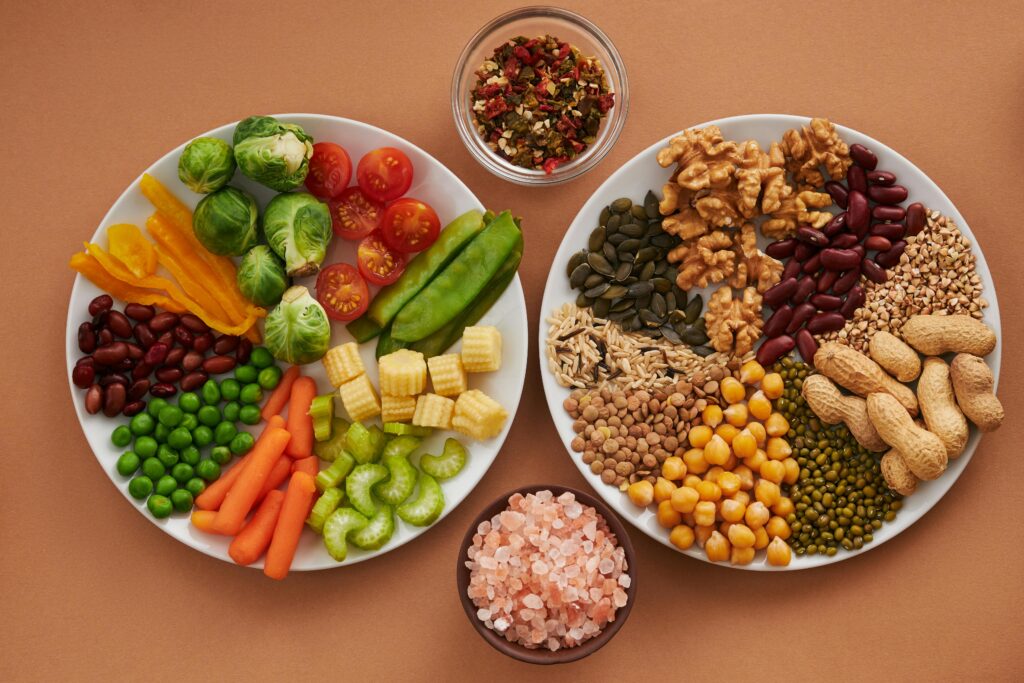
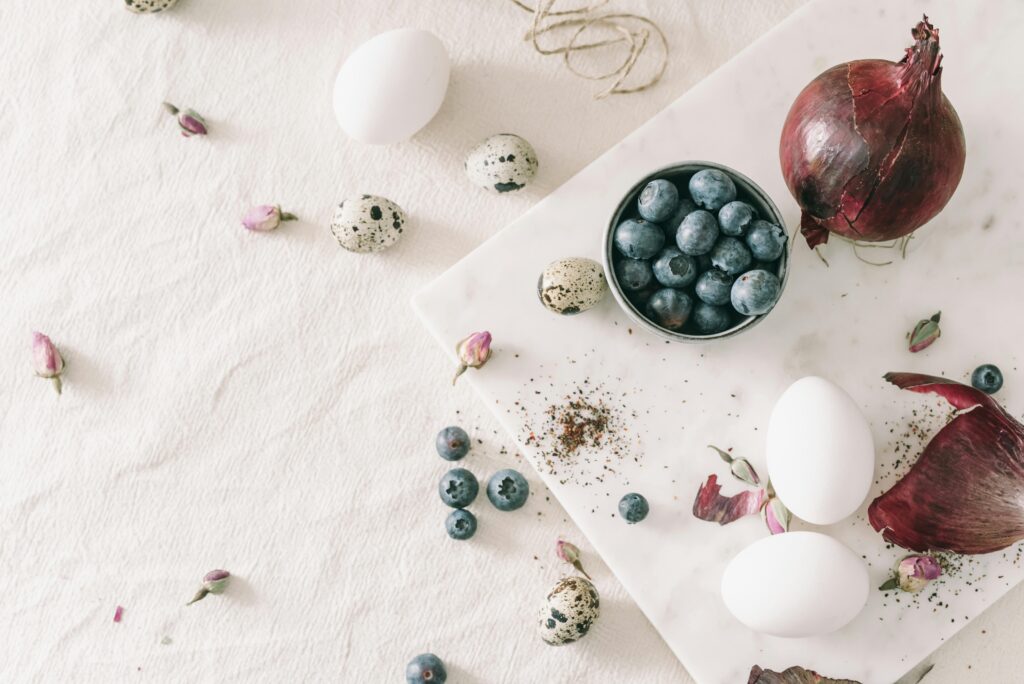
Most individuals can easily achieve their daily targets by eating a varied, whole-food diet. Incorporate these biotin-rich foods into your meal prep:https://www.healthline.com/health
Food Source Serving Size Average Biotin Content
- Beef Liver 3 oz ~30 mcg
- Egg Yolks (Cooked) 1 large egg ~10 mcg
- Salmon & Fatty Fish 3 oz ~5 mcg
- Sunflower Seeds 1 oz ~2.6 mcg
- Sweet Potatoes ½ cup ~2.4 mcg
- Avocado ½ fruit ~1.85 mcg
- Almonds & Peanuts 1 oz ~1.5 mcg
- Broccoli & Spinach ½ cup ~0.4 mcg
5. Treatment & Supplementation
Because biotin is water-soluble, the body flushes out excess amounts in your urine, making toxicity incredibly rare. The Food and Nutrition Board has established Adequate Intake (AI) targets rather than a strict Upper Limit (UL):
Infants (0–6 months): 5 mcg/day
Children (1–3 years): 8 mcg/day
Adolescents (14–18 years): 25 mcg/day
Adults (19+ years): 30 mcg/day
Pregnant Women: 30 mcg/day
Breastfeeding Women: 35 mcg/day.
Many over-the-counter beauty supplements provide 1,000 mcg to 10,000 mcg (1–10 mg) per serving. While these ultra-high doses are generally safe, clinical data does not prove that exceeding your baseline requirement offers extra cosmetic benefits.https://amiironline.com/vitamin-a-for-eyes-skin
Critical Lab Test Interference: Taking high-dose biotin supplements (above 5 mg/day) can distort crucial laboratory blood work. It is known to cause falsely high or falsely low readouts on thyroid panels and cardiac troponin tests (used to detect heart attacks). Always stop high-dose biotin or alert your doctor before a blood draw.
6. Deficiency & Symptoms
While rare, certain demographics are highly susceptible to running low on Vitamin B7. Risk factors include heavy alcohol use, long-term use of anticonvulsant medications, pregnancy, and an inherited genetic condition called biotinidase deficiency (BTD) (which is safely screened for in standard newborn tests).
Common Signs of Deficiency:
Gradual hair thinning or unexplained hair loss
Brittle, peeling, or splitting nails
Scaly red rashes surrounding the facial features
Constant fatigue and low physical energy
Mild depression or uncharacteristic mood shifts
Numbness or a “pins-and-needles” sensation in limbs
7. Safety, Side Effects, and Drug Interactions
has an impeccable safety profile, with no adverse effects documented in clinical trials using up to 200 mg daily. However, interactions with other medications can still occur.
Medication Interferences: Long-term antibiotics can disrupt the gut bacteria that naturally synthesizes biotin. Anticonvulsant medications (like valproic acid or carbamazepine) and certain retinoid acne treatments can also drain your biotin stores.
Who Should Consult a Doctor: Pregnant or nursing mothers, individuals managing chronic kidney disease, and children should always have biotin supplementation supervised by a medical professional.
8. Frequently Asked Questions.
Does biotin make hair grow faster?
repairs and supports the structural keratin framework of your hair follicles. If your hair is thinning due to a nutritional deficit, biotin will help restore healthy growth. For people with already optimal biotin levels, clinical evidence showing accelerated hair growth is limited.
How long does it take to see results from biotin?
Because hair and nails grow slowly (hair grows roughly half an inch per month), visible improvements take time. Clinical studies on nail thickness show clear changes after 6 to 15 months of daily use, while hair improvements usually take 3 to 6 months of consistency.
Can you take too much.
There is no official toxic upper limit. However, taking mega-doses (above 5 mg daily) can severely alter important laboratory test results, particularly thyroid and heart biomarkers. Always disclose your supplement regimen to your doctor prior to blood work.
What form of biotin supplement is best?
is highly bioavailable across all formats—whether you prefer capsules, tablets, gummies, or liquid drops. The delivery system matters far less than consistent daily dosing. Standard beauty doses of 1,000 to 2,500 mcg are usually more than sufficient.
Do I really need a supplement if I eat well?
For the majority of omnivores, no. A diet rich in eggs, nuts, seeds, whole grains, and lean meats easily delivers your daily 30 mcg requirement. Supplements are best reserved for those with restricted diets, malabsorption issues, or specific wellness goals guided by a physician.
The Bottom Line
is a genuinely essential nutrient — not just a trendy supplement. Its foundational role in energy metabolism, keratin production, and nervous system health makes it indispensable. For people with deficiency, supplementation delivers clear, measurable benefits in hair, skin, and nail quality. For those who are already replete, the focus should be on consistent dietary intake rather than chasing ever-higher doses.
Eat your eggs, enjoy your nuts and seeds, and if you are concerned about deficiency or have specific health goals, speak with a healthcare provider before reaching for the highest-dose supplement on the shelf. Smart sufficiency beats mega-dosing every time.
References
Bashir Ali
Health & Nutrition Writer | Founder of amiironline.com
An accomplished Health and Nutrition Writer with a Master’s Degree and 12 years of professional experience in the wellness sector. He is the Founder and Editor-in-Chief of amiironline.com, a leading digital platform dedicated to simplifying nutritional science and promoting evidence-based health awareness. He specializes in creating high-quality, SEO-optimized health content that bridges the gap between scientific research and public wellness.