

Introduction
Zinc is an essential mineral that plays a vital role in keeping your body healthy and functioning properly. It supports the immune system, promotes clear and healthy skin, and helps the body heal faster. Because the body does not store zinc, getting enough through your daily diet or supplements is extremely important.https://www.healthline.com/nutrition/zinc
Contents: Function / Deficiency / Dosage / Sources
1.primary Benefit , Immune support
is crucial for a strong immune system. It helps the body fight off infections, viruses, and bacteria more effectively. Low zinc levels can weaken your immune defences and increase the risk of illness such as colds and flu.
2. Faster Wound Healing
plays a key role in tissue repair and cell regeneration. It helps wounds heal faster by reducing inflammation and supporting new cell growth. This is why zinc is often used in treatments for cuts, burns, and injuries.
3. Amazing Benefit , Glowing skin
is widely known for improving skin health. It helps reduce inflammation, redness, and irritation while promoting a clearer and healthier complexion. It is commonly found in skincare products due to its healing properties.
4. Fight Acne
can help control acne by reducing oil sebum production and fighting acne-causing bacteria. It also soothes irritated skin, making it an effective natural option for managing breakouts.
5. Hair Growth
contributes to strong and healthy hair by supporting hair follicle function. A zinc deficiency may lead to hair thinning or hair loss. Adequate intake helps maintain healthy hair growth.
6. Cognitive Benefit of Zinc for Mental clarity
plays an important role in brain health and cognitive function. It supports memory, learning, and concentration. Proper zinc levels may also help improve focus and mental clarity.

7. Promotes Healthy Vision
is essential for eye health. It helps transport vitamin A to the retina, which is necessary for good vision. It may also help reduce the risk of age-related vision problems.
8. Supports Growth and Development
is especially important for children, teenagers, and pregnant women. It supports proper growth, cell division, and hormone production, making it essential for overall development.
9. Improves Digestive system
supports digestive function by helping enzymes break down food and absorb nutrients efficiently. It also helps maintain a healthy gut lining, which is important for overall wellness.
10. Reproductive Health
plays a key role in reproductive health. In men, it supports testosterone levels and sperm quality. In women, it helps balance hormones and supports reproductive function.
Signs of zic Deficiency
Understanding the benefits of Zinc also means recognizing when your body is lacking this vital mineral. Because the human body does not store zinc, you need a steady daily intake to avoid deficiency. Common signs that your zinc levels are low include unexplained weight loss, wounds that won’t heal, and a lack of alertness.
Furthermore, people with low zinc often experience a decreased sense of smell and taste. If you notice persistent skin sores or frequent infections, it might be a sign that you are not getting enough of the benefits of Zinc to support your immune system. In severe cases, a deficiency can lead to hair loss and chronic digestive issues like diarrheal.
How to Optimize Your Zinc Intake
Recommended Daily Allowance (RDA):
Group
Amount
Adult men
11 mg/day
Adult women
8 mg/day
Pregnant women
11 mg/day
Breastfeeding women
12 mg/day
Children (1–8 yrs)
3–5 mg/day
Teens (9–18 yrs)
8–11 mg/day
Tolerable Upper Limit (UL): 40 mg/day for adults. Exceeding this regularly can cause toxicity.
For supplements, common doses range from 8–40 mg/day depending on the purpose (general wellness vs. deficiency correction).
Signs of too much zinc: Nausea, vomiting, loss of appetite, stomach cramps, diarrhea, headaches, and over time it can interfere with copper absorption.
Best taken: With food to reduce stomach upset. Avoid taking with iron or calcium supplements at the same time, as they can interfere with absorption.
Always consult a doctor before taking high-dose zinc supplements, especially if you’re on medications or have a health condition.
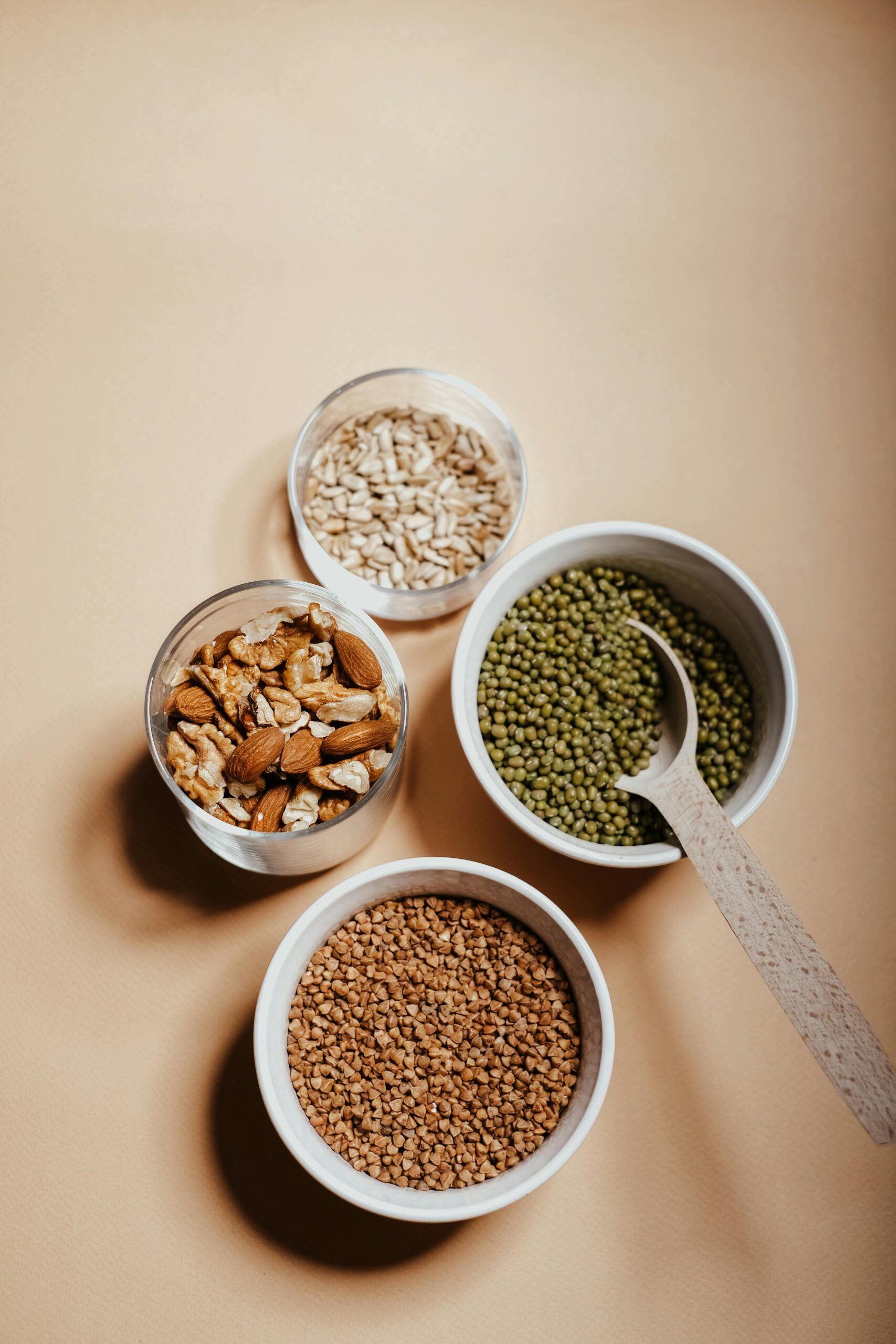
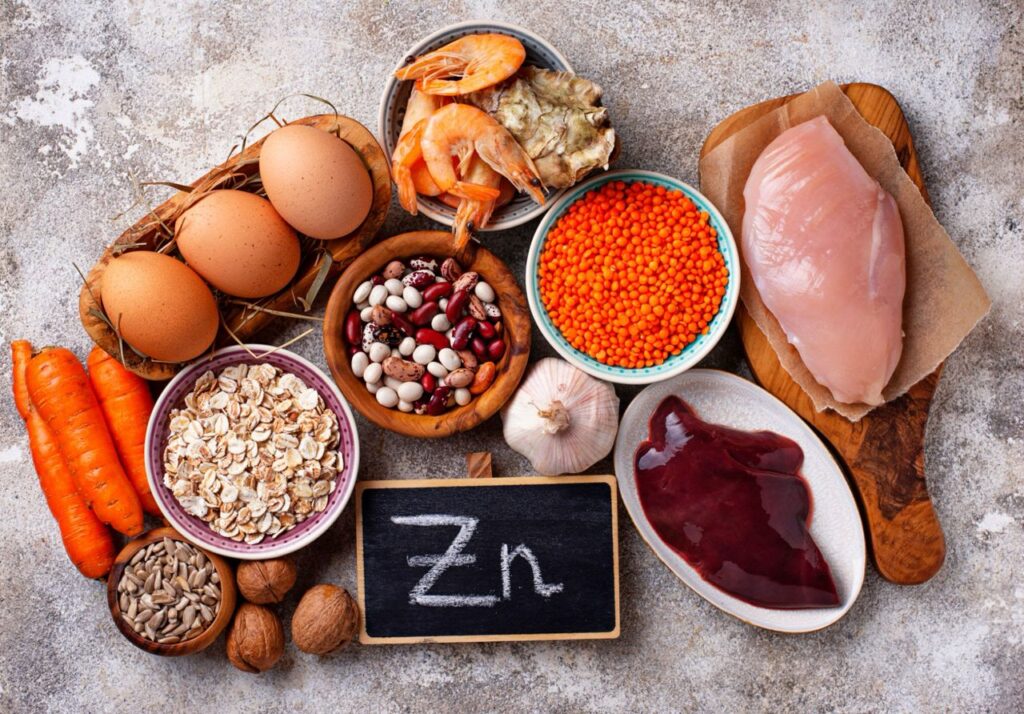
To maximize the benefits of , it is best to get it from whole food sources like red meat, poultry, beans, and nuts. However, if you are a vegetarian or have certain digestive conditions, you might need a supplement.
Sources of foods you can get
To maintain healthy zinc levels, include these foods in your daily diet: https://amiironline.com/blog
Red meat (beef, lamb
Poultry (chicken, turkey)
Seafood (especially oysters)
Nuts and seeds (pumpkin seeds, cashews)
Whole grains
Dairy products (milk, cheese)
Legumes (beans, lentils, chickpeas)
References
Bashir Ali
Health & Nutrition Writer | Founder of Amiironline.com
An accomplished Health and Nutrition Writer with a Master’s Degree and 12 years of professional experience in the wellness sector. He is the Founder and Editor-in-Chief of Amiironline.com, a leading digital platform dedicated to simplifying nutritional science and promoting evidence-based health awareness. He specializes in creating high-quality, SEO-optimized health content that bridges the gap between scientific research and public wellness.