


is an essential nutrient that maintains all health. It supports clear vision, promotes healthy skin, and the immune system. Because your body cannot produce it on its own, but you need to get enough vitamin A from your meal
Contents: Part1 | Part2 | part3 | Part4 | Part5
1. Supports Healthy Vision
is its role in eye health. It helps the retina function properly and is essential for good vision, especially in low-light conditions.
Prevents night blindness
Supports overall eye function. https://www.healthline.com/
Reduces the risk of age-related vision problems
2. Promotes Clear and Healthy Skin
Vitamin A is widely used in skincare because it helps repair and maintain skin tissue. It supports cell growth
Reduces acne and breakouts
Improves skin texture and tone
Helps slow signs of aging like wrinkles
3.Boosts the immune system
A strong immune system is essential for fighting infections and diseases. Vitamin A plays a key role in strengthening your body’s natural defenses.
Supports white blood cell function
Helps the body fight infections
Protects against illnesses
4. Supports growth and development
Vitamin A is important for proper growth, especially in children. It helps in the development of bones, tissues, and cells.
Aids healthy cell growth
Supports reproductive health
Important for fatal development during pregnancy
5. Powerful Antioxidant
has antioxidant properties, which means it helps protect your body from harmful free radicals.
Reduces cell damage
Supports long-term health
May lower the risk of chronic diseases
is a powerhouse nutrient that often flies under the radar compared to Vitamin C or D, yet it is foundational to human health. As a fat-soluble vitamin, it acts as a potent antioxidant, protecting cells from damage and ensuring our body’s most vital systems—from our eyes to our immune system—function at peak performance.
The Two Faces
Not all Vitamin A is created equal. Depending on what you eat, your body receives this nutrient in two distinct forms:
(Retinoid): This is the “active” form of the vitamin that your body can use immediately. It is found primarily in animal products like liver, eggs, and dairy.
Provitamin A (Carotenoids): These are pigments found in plants, the most famous being Beta-carotene. Your body acts as a mini-factory, converting these pigments into active Vitamin A as needed.
Top 4 Health Benefits
1. Sharp Vision and Eye Health
Vitamin A is perhaps best known for its role in vision. It is a critical component of rhodopsin, a protein that absorbs light in the retinal receptors. Without enough Vitamin A, the eyes cannot produce enough moisture to keep them lubricated, and night vision significantly declines.
2. A Fortified Immune System
Often called the “anti-infective vitamin,” Vitamin A is essential for maintaining your body’s natural defences. It helps produce white blood cells, which capture and clear bacteria from the bloodstream, and maintains the integrity of the “barrier” tissues in your lungs and gut.
3. Radiant Skin and Cell Regeneration
In the world of skincare, Vitamin A is the gold standard (often labeled as Retinol). It promotes healthy cell turnover, helping to heal wounds, reduce inflammation, and prevent acne by keeping pores from becoming clogged.
4. Support for Bone Health
While Vitamin D and Calcium get all the credit for strong bones, Vitamin A is a necessary partner. It influences the “osteoblasts” (bone-building cells) and “osteoclasts” (bone-breaking cells) to ensure your skeleton remains sturdy and healthy.https://amiironline.com/blog
Sources
Foods you can get vitamin A
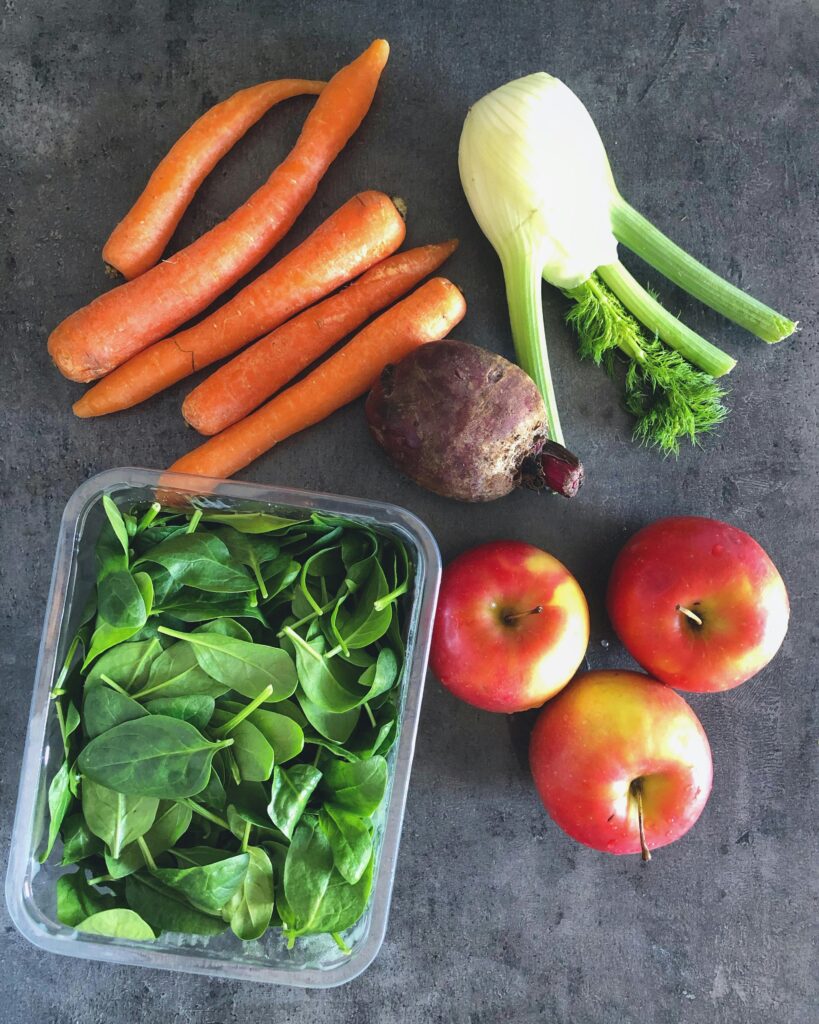
Carrots
Sweet potatoes
Spinach and leafy greens
Eggs
Milk and dairy products
Liver

Recommended daily intake
The amount you need depends on your age and gender, but generally:
- Men: 900 mcg per day
- Women: 700 mcg per day. https://www.mayoclinic.org/drugs-supplements
Conclusion
Vitamin A is essential for maintaining healthy eyes, glowing skin, and a strong immune system. By including Vitamin A-rich foods in your daily diet, you can improve your overall health and prevent deficiencies.
References
Bashir Ali
Health & Nutrition Writer | Founder of Amiironline.com
An accomplished Health and Nutrition Writer with a Master’s Degree and 12 years of professional experience in the wellness sector. He is the Founder and Editor-in-Chief of Amiironline.com, a leading digital platform dedicated to simplifying nutritional science and promoting evidence-based health awareness. He specializes in creating high-quality, SEO-optimized health content that bridges the gap between scientific research and public wellness.